California’s state senate gave final approval early on Saturday morning to a major AI safety bill setting new transparency requirements on large companies.
As described by its author, state senator Scott Wiener, SB 53 “requires large AI labs to be transparent about their safety protocols, creates whistleblower protections for [employees] at AI labs & creates a public cloud to expand compute access (CalCompute).”
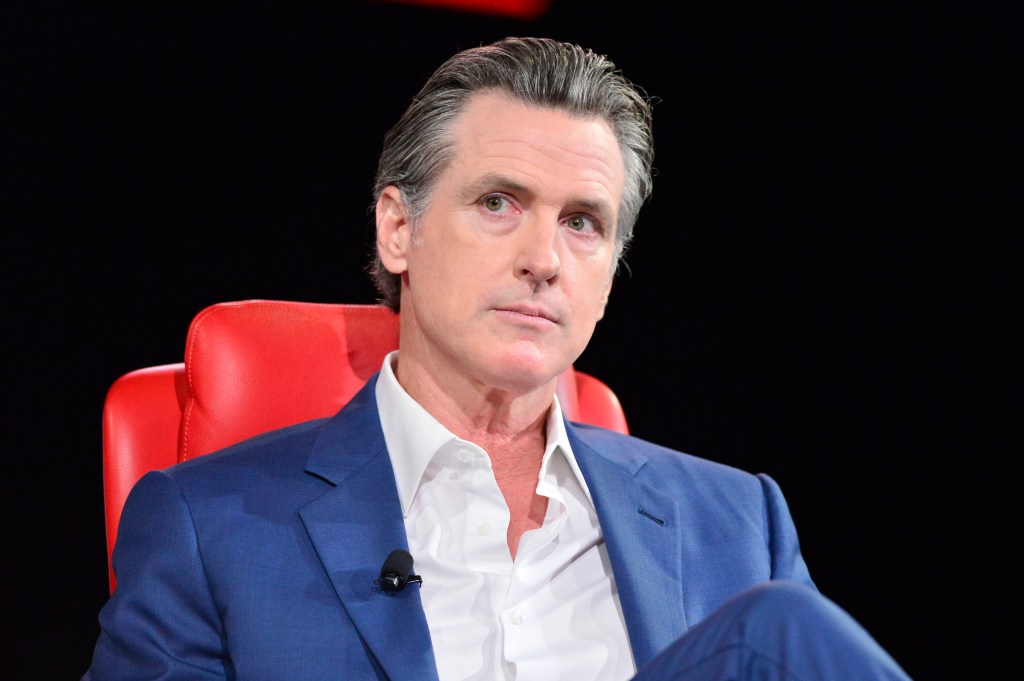
The bill now goes to California governor Gavin Newsom to sign or veto. He has not commented publicly on SB 53, but last year, he vetoed a more expansive safety bill also authored by Wiener, while signing narrower legislation targeting issues like deepfakes.
At the time, Newsom acknowledged the importance of “protecting the public from real threats posed by this technology,” but criticized Wiener’s previous bill for applying “stringent standards” to large models regardless of whether they were “deployed in high-risk environments, [involved] critical decision-making or the use of sensitive data.”
Wiener said the new bill was influenced by recommendations from a policy panel of AI experts that Newsom convened after his veto.
Politico also reports that SB 53 was recently amended so that companies developing “frontier” AI models while bringing in less than $500 million in annual revenue will only need to disclose high-level safety details, while companies making more than that will need to provide more detailed reports.
A number of Silicon Valley companies, VC firms, and lobbying groups have criticized the bill, as well as broader efforts by states to regulate AI. In a recent letter to Newsom, OpenAI did not mention SB 53 specifically but argued that to avoid “duplication and inconsistencies,” companies should be considered compliant with statewide safety rules as long as they meet federal or European standards.
Disrupt 2026: The tech ecosystem, all in one room
Your next round. Your next hire. Your next breakout opportunity. Find it at TechCrunch Disrupt 2026, where 10,000+ founders, investors, and tech leaders gather for three days of 250+ tactical sessions, powerful introductions, and market-defining innovation. Register now to save up to $400.
Save up to $300 or 30% to TechCrunch Founder Summit
1,000+ founders and investors come together at TechCrunch Founder Summit 2026 for a full day focused on growth, execution, and real-world scaling. Learn from founders and investors who have shaped the industry. Connect with peers navigating similar growth stages. Walk away with tactics you can apply immediately
Offer ends March 13.
And Andreessen Horowitz’s head of AI policy and chief legal officer recently claimed that ”many of today’s state AI bills — like proposals in California and New York — risk” crossing a line by violating constitutional limits on how states can regulate interstate commerce.
Andreessen Horowitz’s co-founders had previously pointed to tech regulation as one of the factors leading them to back Donald Trump’s bid for a second term. The Trump administration and its allies subsequently called for a 10-year ban on state AI regulation.
Anthropic, meanwhile, has come out in favor of SB 53.
“We have long said we would prefer a federal standard,” said Anthropic co-founder Jack Clark in a post. “But in the absence of that this creates a solid blueprint for AI governance that cannot be ignored.”