
Meta, angling for a seat at the AI chatbot table, is launching a host of new AI-powered bots across its messaging apps, including WhatsApp, Messenger and Instagram. They’re available for select users in beta in the U.S. as of today.
One is an AI assistant called Meta AI, which, judging by The Verge’s hands-on piece, is exceptionally similar to chatbots like OpenAI’s ChatGPT and Anthropic’s Claude 2. Meta AI — which will soon come to Meta’s newly announced Quest 3 VR headset, Meta CEO Mark Zuckerberg said onstage at Meta’s Connect conference today — can help plan a trip with friends in a group chat, answer general-knowledge questions and search the internet across Microsoft’s Bing to provide real-time web results.
This reporter couldn’t help but be reminded of M, Facebook’s ill-fated virtual assistant that could perform tasks like making plans, automating payments and placing a phone call on a user’s behalf. M was only ever available to about 2,000 people living in California and suffered from development neglect.
But Meta AI, powered by a “custom-made” large language model, is set to get a much broader release. And unlike M, which relied in part on a team of humans to fulfill requests, Meta AI is entirely automated, with a model that can refer back to previous conversations and that’s been tuned to give “very concise” answers. Perhaps that’ll make a difference.
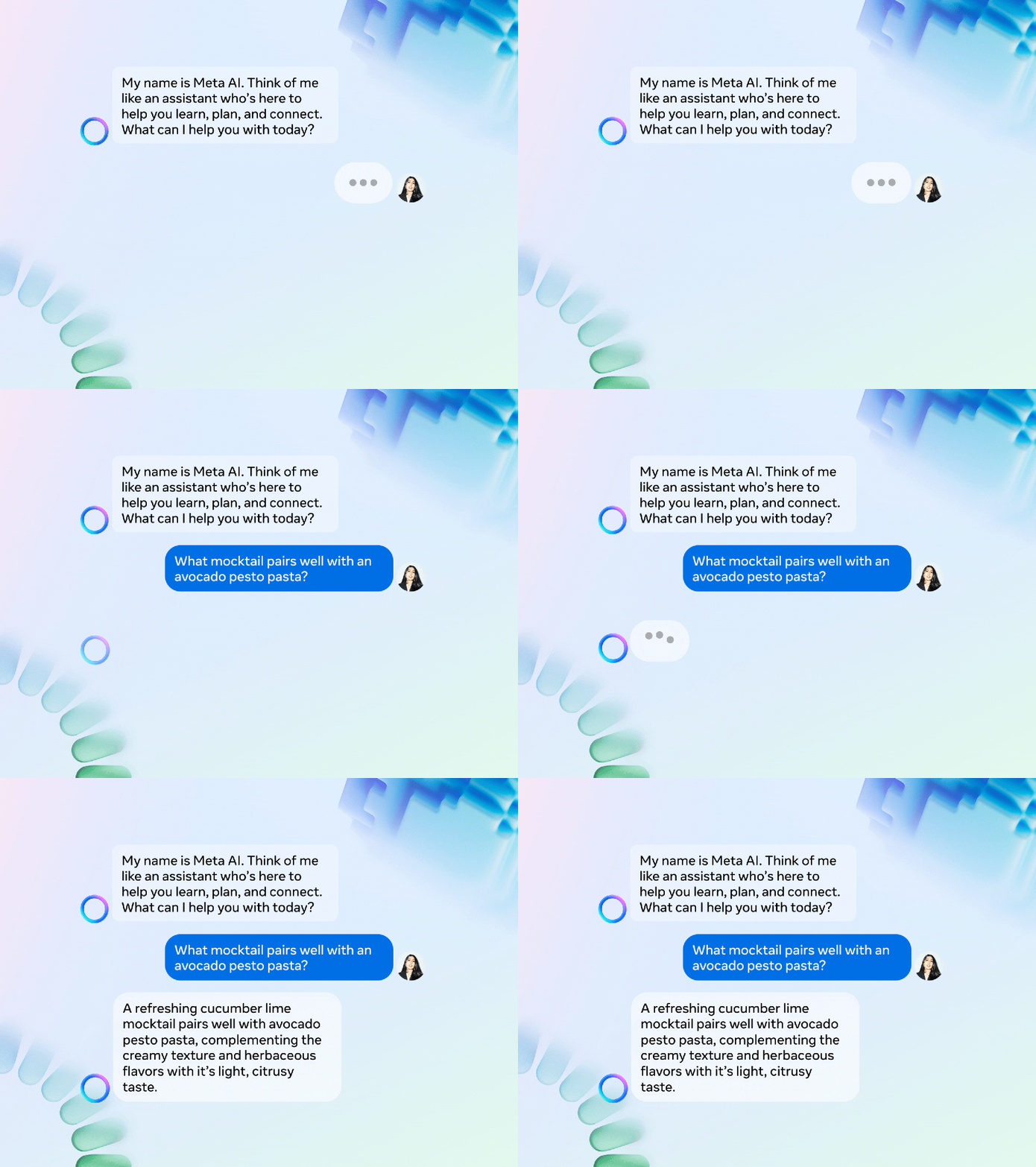
Meta AI can be invoked in any chat, Meta says. And like ChatGPT, it can generate watermarked images leveraging a text-to-image model called Emu, developed by Meta’s AI research division.
Beyond Meta AI, Meta today introduced a range of “AI characters” — basically chatbots tuned to channel certain personalities and mimic celebrities, including Kendall Jenner, Dwyane Wade, MrBeast, Paris Hilton, Charli D’Amelio and Snoop Dogg (additional bots, including for Bear Grylls, Chloe Kim and Josh Richards, are on the way). Like Meta AI, the chatbots — which have profile images, either illustrated or real life — live in Meta’s messaging apps. And as you chat with them, the avatars subtly animate based on the conversation.
This all sounds . . . interesting in theory. But very recent history has shown that even the best AI chatbots can go off the rails, making things up and generally missing key points in conversations.
Disrupt 2026: The tech ecosystem, all in one room
Your next round. Your next hire. Your next breakout opportunity. Find it at TechCrunch Disrupt 2026, where 10,000+ founders, investors, and tech leaders gather for three days of 250+ tactical sessions, powerful introductions, and market-defining innovation. Register now to save up to $400.
Save up to $300 or 30% to TechCrunch Founder Summit
1,000+ founders and investors come together at TechCrunch Founder Summit 2026 for a full day focused on growth, execution, and real-world scaling. Learn from founders and investors who have shaped the industry. Connect with peers navigating similar growth stages. Walk away with tactics you can apply immediately
Offer ends March 13.

Meta says that it spent 6,000 hours finding problematic use cases and recruiting employees to interact with the models internally before releasing them. And it claims that it’s developed new tech to catch and take action on content that violates its policies; prevented chatbots other than Meta AI from searching the web; and made its new chatbot features available to researchers through its bug bounty program.
We’ll have to see how well they hold up to real-world testing, though.