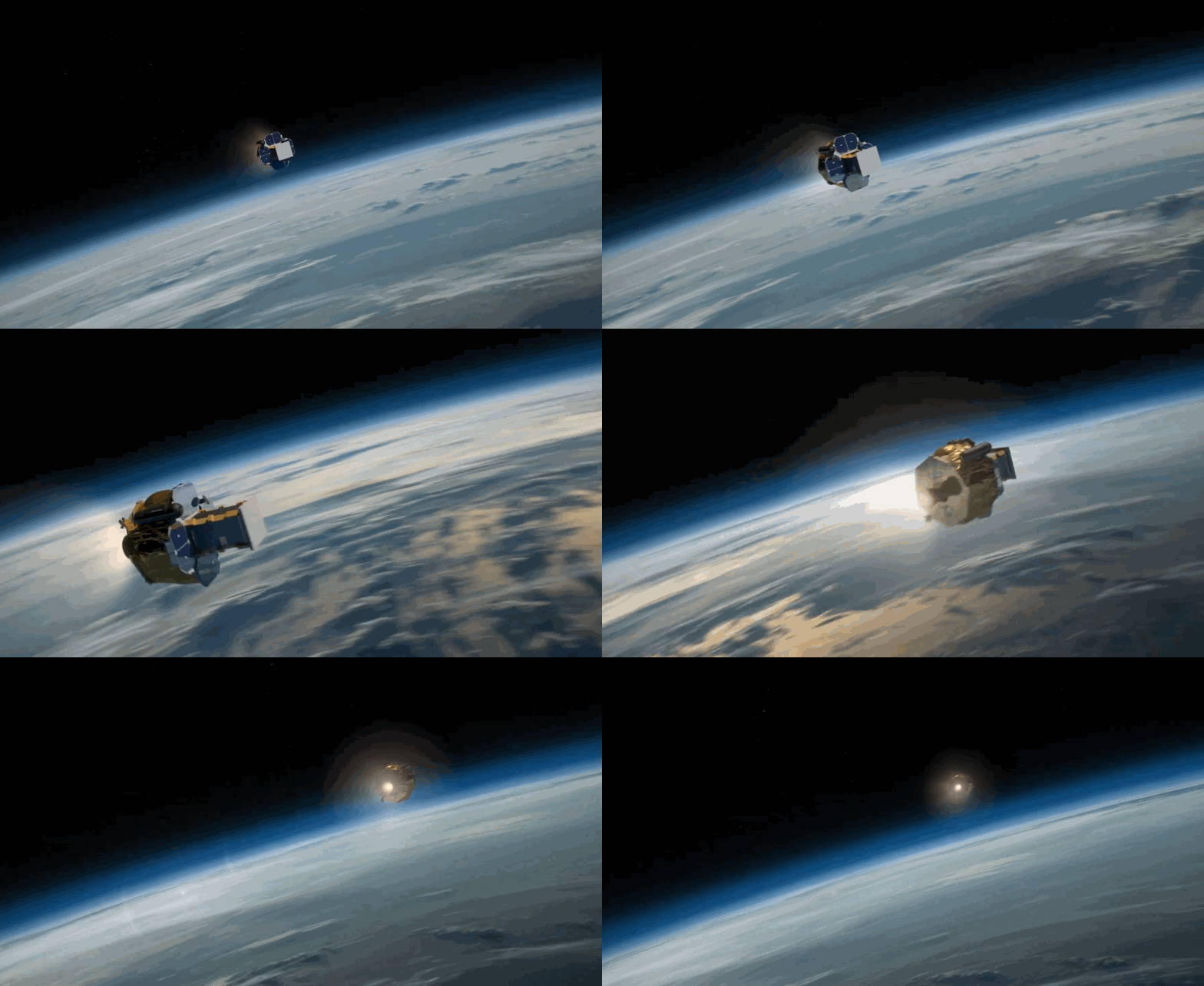
Orbital manufacturing startup Varda Space Industries is moving fast. Only a few weeks after announcing a $42 million Series A, Varda has signed a deal with launch company Rocket Lab for three Photon spacecraft to support the startup’s initial missions.
The first spacecraft will be delivered in the first quarter of 2023, with the second to follow later that year and the third in 2024. It’s an aggressive schedule for the eight-month-old Varda and would mark the company’s first three manufacturing missions to space. The contract includes an option for Varda to purchase a fourth Photon.
Partnering with a more established company makes sense — especially considering the Photon’s bona fides, which includes a NASA-funded mission to the moon at the end of the year. Rocket Lab was also awarded a subcontract by the University of California Berkeley Space Sciences Laboratory to design two Photon spacecraft for a one-year mission to Mars.
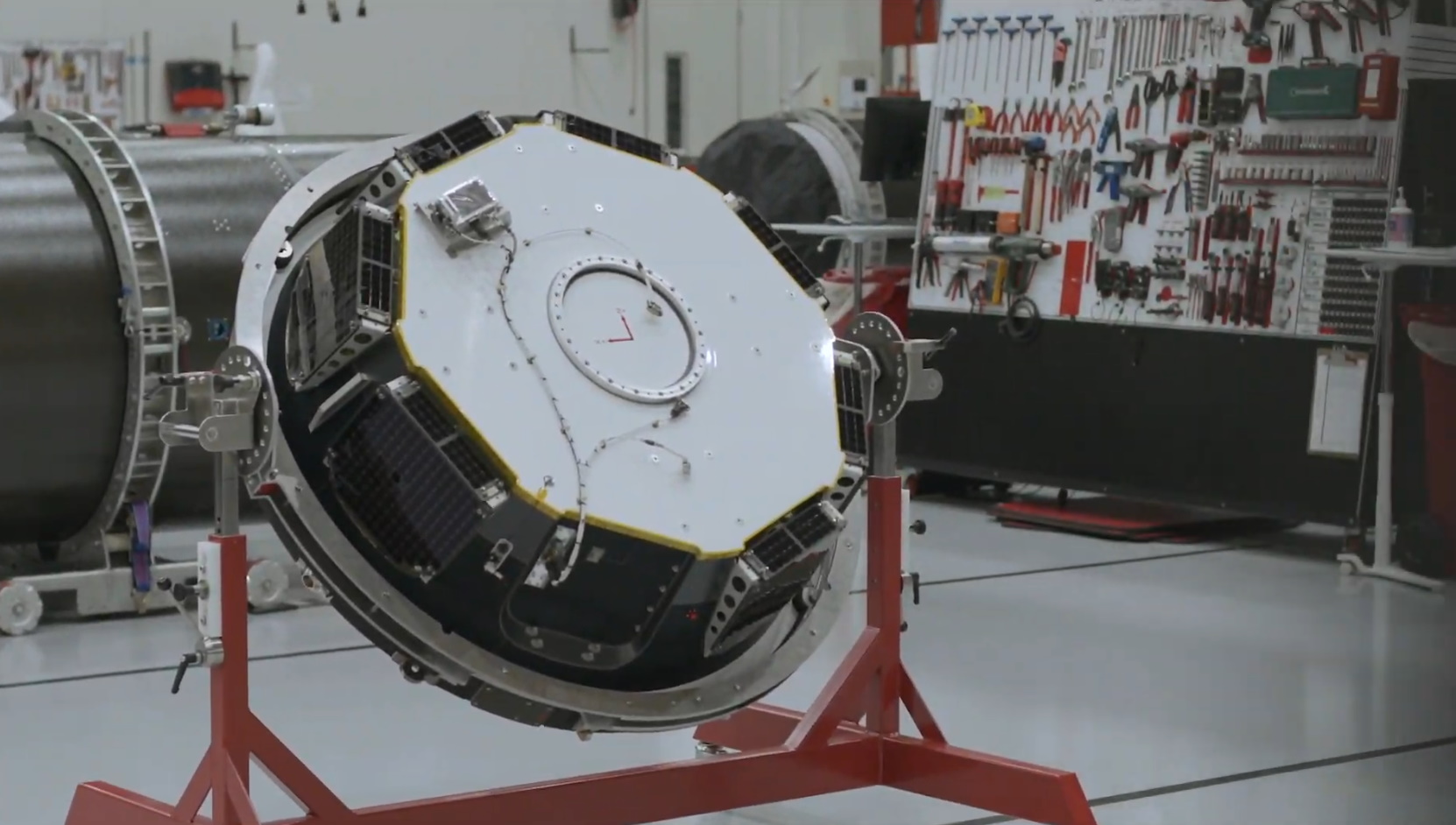
Varda, which was founded by SpaceX veteran Will Bruey and Founders Fund principal Delian Asparouhov, is banking big on a manufacturing condition that you can only find in space: microgravity. They think that the potential market for bioprinted organs, specialized semiconductors, fiber-optic cables or pharmaceuticals — products that you can’t make in Earthbound-conditions — is high enough to make the costs of building a spacecraft and launching to space more than worth it.
Varda Space Industries closes $42M Series A for off-planet manufacturing
Under this most recent deal, each Photon will be outfitted with two Varda-made modules: The first will be a microgravity manufacturing module, where the space production will actually take place, and the second will be a reentry capsule designed to bring those finished products back to Earth. Asparouhov told TechCrunch that the are designing the reentry modules to bring back “on the order of 40-60 kilograms of materials” for the first couple of missions, with the aim of quickly scaling up for subsequent launches.
Disrupt 2026: The tech ecosystem, all in one room
Your next round. Your next hire. Your next breakout opportunity. Find it at TechCrunch Disrupt 2026, where 10,000+ founders, investors, and tech leaders gather for three days of 250+ tactical sessions, powerful introductions, and market-defining innovation. Register now to save up to $400.
Save up to $300 or 30% to TechCrunch Founder Summit
1,000+ founders and investors come together at TechCrunch Founder Summit 2026 for a full day focused on growth, execution, and real-world scaling. Learn from founders and investors who have shaped the industry. Connect with peers navigating similar growth stages. Walk away with tactics you can apply immediately
Offer ends March 13.
Varda says this approach is low-risk and incremental. “That’s why we’re seeing so much interest from the investment community, [the Department of Defense], NASA, et cetera, it’s this very pragmatic, one-step-at-a-time approach,” Asparouhov said. “We’ll prove this first space factory. And yes, as we start to scale it allows us to send a larger space factory and then eventually, yes, we might have something the size of the [International Space Station], 10 times the size of the ISS. But that’s not what we’re starting with. We’re starting with a very small, near-term pragmatic approach.”
Each mission will last roughly three months from launch to landing, Rocket Lab said in a statement.
As launch market matures, space opportunities on the ground take off