

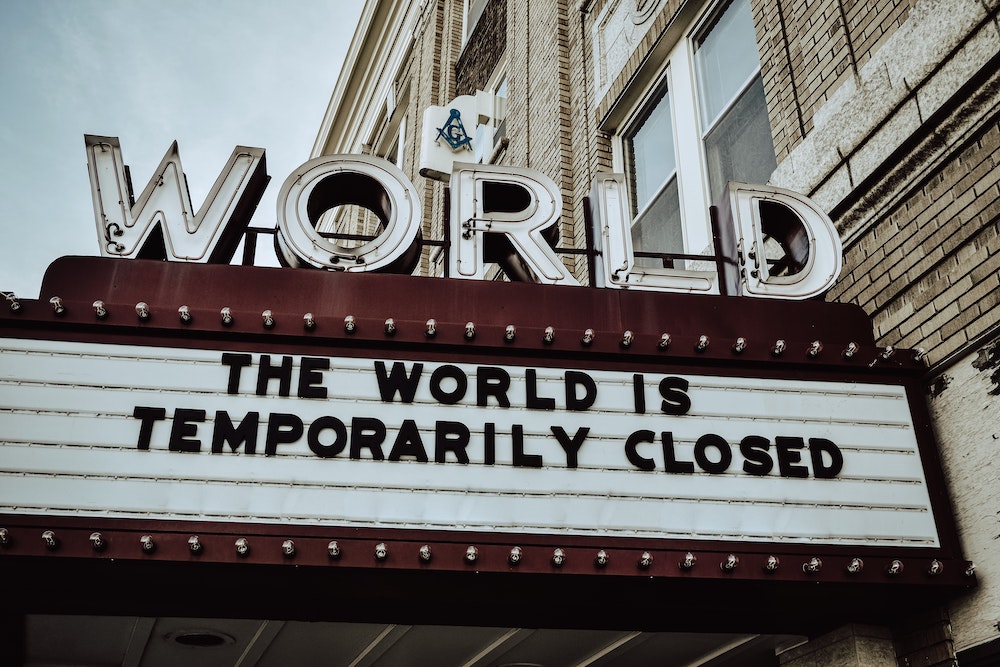
After enduring a day’s worth of taking a beating across social media, government and the various app stores of the mobile world, Robinhood took to its own blog and CEO’s Twitter account to explain why it had halted trading of some stocks earlier today.
That Robinhood had restricted trading in a number of securities was bombshell news after the consumer trading platform had become synonymous with not only a rise in retail investing, but also a risky wager by some individual investors to push shares of heavily shorted companies, including GameStop, AMC and others higher. Speculation that Robinhood was limiting the trading ability of those users at the behest of, pick your poison, Citadel, the U.S. government, hedge funds, Janet Yellen, or others, ran rampant.
But none of it was true — at least according to Robinhood’s telling. In its post, Robinhood wrote that (emphasis TechCrunch):
[a]mid this week’s extraordinary circumstances in the market, we made a tough decision today to temporarily limit buying for certain securities. As a brokerage firm, we have many financial requirements, including SEC net capital obligations and clearinghouse deposits. Some of these requirements fluctuate based on volatility in the markets and can be substantial in the current environment. These requirements exist to protect investors and the markets and we take our responsibilities to comply with them seriously, including through the measures we have taken today.
That reads like Robinhood ran low on capital and had to make some hard decisions, quickly. The securities its users wanted to trade likely generated the highest capital obligations given how volatile they proved and how long it takes for trades to settle, so Robinhood had to shut off some trades to stay on the right side of its capital needs. (Not great, not terrible?)
Reporting from Bloomberg indicates that Robinhood “tapped at least several hundred million dollars” from credit lines today makes sense in this context. As does the unicorn’s decision to allow for some trading of the afore-limited securities in the near future (“starting tomorrow, we plan to allow limited buys of these securities,” the company wrote); now reloaded with more capital, Robinhood can afford to let its users get back, somewhat, to business.
Of course Robinhood could have been more clear about all of this earlier in the day. Instead, unfairly or not, it became the face of theoretical corruption and other nefarious forces. (Here’s a tip, if your theory sounds like it could fit inside the QAnon orbit, try again?)
Disrupt 2026: The tech ecosystem, all in one room
Your next round. Your next hire. Your next breakout opportunity. Find it at TechCrunch Disrupt 2026, where 10,000+ founders, investors, and tech leaders gather for three days of 250+ tactical sessions, powerful introductions, and market-defining innovation. Register now to save up to $400.
Save up to $300 or 30% to TechCrunch Founder Summit
1,000+ founders and investors come together at TechCrunch Founder Summit 2026 for a full day focused on growth, execution, and real-world scaling. Learn from founders and investors who have shaped the industry. Connect with peers navigating similar growth stages. Walk away with tactics you can apply immediately
Offer ends March 13.
Nothing is settled. Congress has its hackles up. Other trading platforms had to suspend trading in GameStop and other stocks for a spell as well. Social media is pissed. Some Robinhood users were forced to liquidate positions. And somehow GameStop closed the day worth more than $196 per share. And after-hours it is up $72.40, or 37.40% to $266 per share.
Who knows what comes next. But grains of salt, please, as we continue this bizarre adventure.
Robinhood restricts trading in GameStop after retail brouhaha shakes markets

