

The latest HTC results, for its Q2, confirm another loss-making quarter for the smartphone and VR headset maker, with the Taiwanese company reporting revenue of NT$18.9 billion ($598 million) for the quarter versus the NT$33.0 billion ($1.07 billion) it made in the year ago quarter. That’s a drop of around 44 percent.
HTC reported a loss of NT$4.2 billion ($133 million) in its second quarter, which ended June 30. The only bright spot here is that it’s less of a revenue plunge than the company made in its Q1 when it was 64 percent down, year on year.
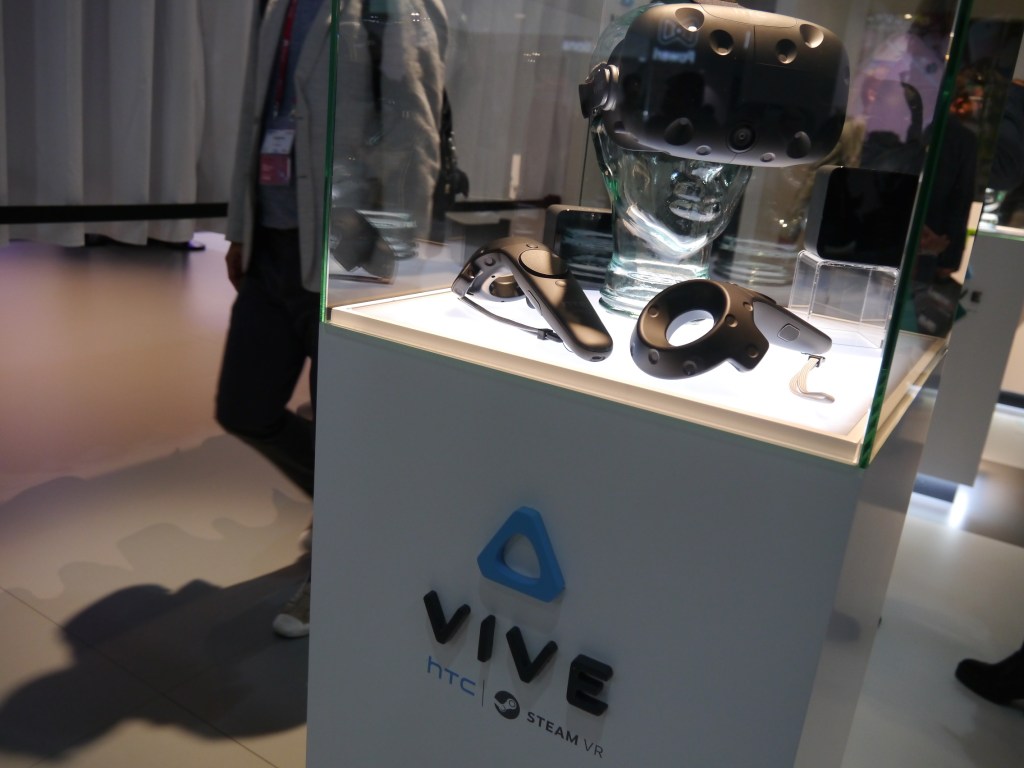
The company started shipping its Vive headset during the quarter, although it started taking pre-orders earlier in the year. While pre-orders of its new flagship smartphone, the HTC 10, only began at the start of the quarter, with a $699 price-tag for the device in the U.S. — but it evidently failed to deliver enough uplift to pull it out of the red entirely in Q2.
HTC reported its first loss-making quarter back in October 2013, and ever since the company has been struggling to turn its smartphone fortunes around in the face of increasingly fierce competition and a squeeze on hardware profit margins.
Since then it has diversified its business via a wearable and fitness tech partnership with Under Armor, and a side-step into VR, in collaboration with games publisher Valve — the latter a space where there are far fewer competitions but also far fewer consumers, given how early and unproven the tech yet is and the paucity of compelling content.
It’s certainly still early days for VR, but HTC is crediting the Vive VR rig with giving a boost to its brand and contributing to a 27 percent rise in revenues over Q1 this year.
The company is also touting “worldwide interest” and “sales momentum” for its HTC 10 smartphone, but isn’t breaking out any actual sales figures.
Disrupt 2026: The tech ecosystem, all in one room
Your next round. Your next hire. Your next breakout opportunity. Find it at TechCrunch Disrupt 2026, where 10,000+ founders, investors, and tech leaders gather for three days of 250+ tactical sessions, powerful introductions, and market-defining innovation. Register now to save up to $400.
Save up to $300 or 30% to TechCrunch Founder Summit
1,000+ founders and investors come together at TechCrunch Founder Summit 2026 for a full day focused on growth, execution, and real-world scaling. Learn from founders and investors who have shaped the industry. Connect with peers navigating similar growth stages. Walk away with tactics you can apply immediately
Offer ends March 13.
Nor is it breaking out Vive sales figures — saying only that sales were “strong” during the pre-order period in the latter half of its Q1.
That would tally with the notion of a pre-order spike from early adopters, while offering no evidence to suggest signs of any more sustained consumer demand for VR, at this nascent stage.
For that, the VR industry will need time to mature to convince consumers with compelling content. And, ultimately, prove it’s more than just a flash-in-the-pan nerd’s recurring fantasy.
Commenting on its Q2 in a statement, HTC CEO and chairwoman Cher Wang said: “In the space of one year, we have reimagined the company, reclaimed our top spot for innovation, and demonstrated solid execution across our major product lines. I believe that HTC has regained its innovative zeal and is looking ahead with confidence and ingenuity.”

