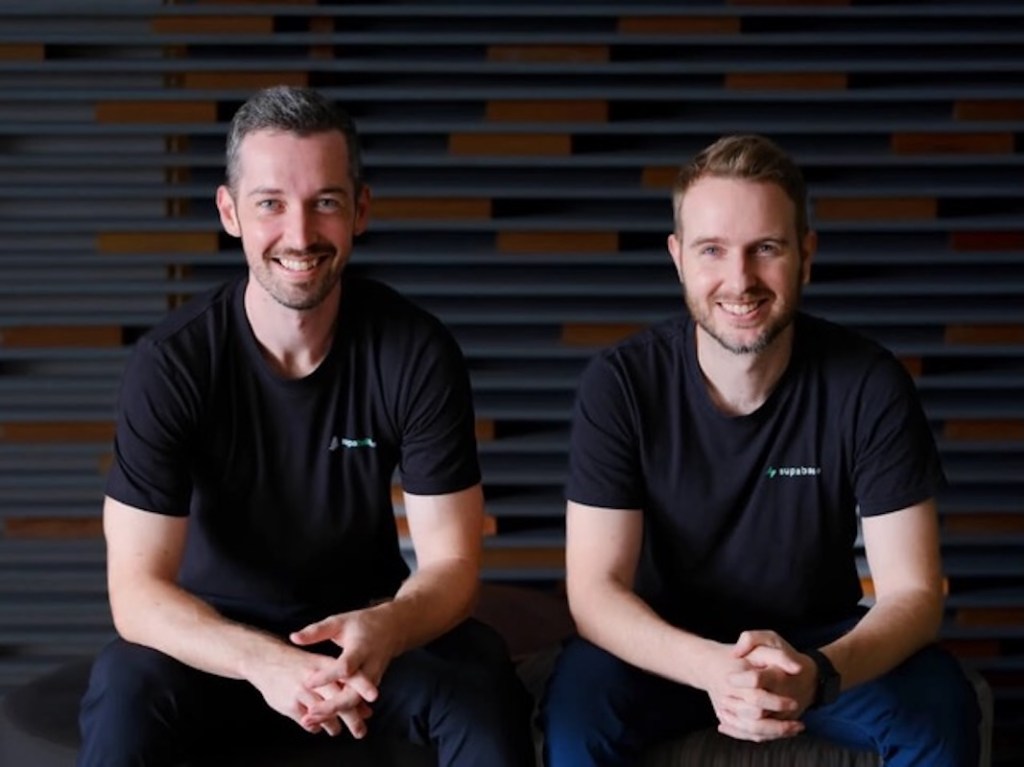
In 2020, when open source database Supabase was founded, its New Zealand-based CEO, Paul Copplestone, couldn’t have imagined it would be sitting in the sweet spot for 2025’s biggest trend: vibe coding.
But on Tuesday, the fruits of that became evident when it announced a $200 million Series D at a $2 billion post-money valuation led by Accel, with Coatue, Y Combinator, Craft Ventures, and longtime investor Felicis participating in the round, Fortune reported.
This fresh $200 million comes just seven months after Supabase announced it raised $80 million led by Peak XV (a Sequoia spinoff) and David Sacks’ Craft Ventures. Supabase wouldn’t comment on the valuation at that time, but PitchBook put it at about $900 million. All told, the startup has now raised about $398 million.
Supabase is another example of how commercially successful open source projects can be.
It offers an open source version of Firebase, Google’s database AI app development platform, and hosts the apps for up to $600 a month, or more for enterprise users.
Supabase combines the open source SQL database Postgres with other enterprise-grade open source tools for features like authentication, auto-generated APIs, file storage, and a vector toolkit (necessary for many AI apps).
Essentially, it’s like vibe database management, easing the pesky parts of getting a SQL database set up as part of app development. Consequently, it has become a popular back end for the vibe coding tools like fast-growing Lovable.
Disrupt 2026: The tech ecosystem, all in one room
Your next round. Your next hire. Your next breakout opportunity. Find it at TechCrunch Disrupt 2026, where 10,000+ founders, investors, and tech leaders gather for three days of 250+ tactical sessions, powerful introductions, and market-defining innovation. Register now to save up to $400.
Save up to $300 or 30% to TechCrunch Founder Summit
1,000+ founders and investors come together at TechCrunch Founder Summit 2026 for a full day focused on growth, execution, and real-world scaling. Learn from founders and investors who have shaped the industry. Connect with peers navigating similar growth stages. Walk away with tactics you can apply immediately
Offer ends March 13.
As a Y Combinator alum, Supabase has become a go-to tool for YC startups, Copplestone previously told TechCrunch. But it’s really coming into its own with independent and enterprise developers.
The company has had “insane growth” especially in the last two years, Felicis managing partner Aydin Senkut tells TechCrunch. “Its biggest asset is the community of developers, which rocketed past 1 million and growing by thousands every day.”
Indeed, Supabase now claims over 1.7 million developers and the project has over 81 thousand stars on GitHub, too.
“It’s becoming the default back end for AI apps and myriad other categories of apps,” Senkut says.
Because it’s based on Postgres, Supabase has street cred with developers that need to support thousands to millions of users. Postgres has long-been an open source database for enterprise developers when they don’t need the superpowers — and high price tag — of an Oracle or Microsoft database.
Supabase goes so far as to have a marketing tagline of “build in a weekend: scale to millions.”
While nothing will truly threaten Oracle’s current standing — it’s as deeply embedded in the tech of existing Fortune 1000 companies as possible — the rise of Supabase is interesting to watch.
The next crop of billion-user apps will be AI-developed, AI-powered, AI-managed.
And Supabase is already one of the go-to databases for that.