Earlier this year, a Microsoft developer realized that someone had inserted a backdoor into the code of open source utility XZ Utils, which is used in virtually all Linux operating systems.
The operation had started two years earlier when that someone, a person nicknamed JiaT75, started contributing to the XZ Utils repository on GitHub. A cybersecurity expert called this attack a “nightmare scenario” and “the best executed supply chain attack we’ve seen.”
The attack, which followed other well-known cybersecurity incidents involving open source software like Heartbleed, Shellshock, and Log4j, was another stark reminder that open source software, given how widespread it is, can pose significant security risks.
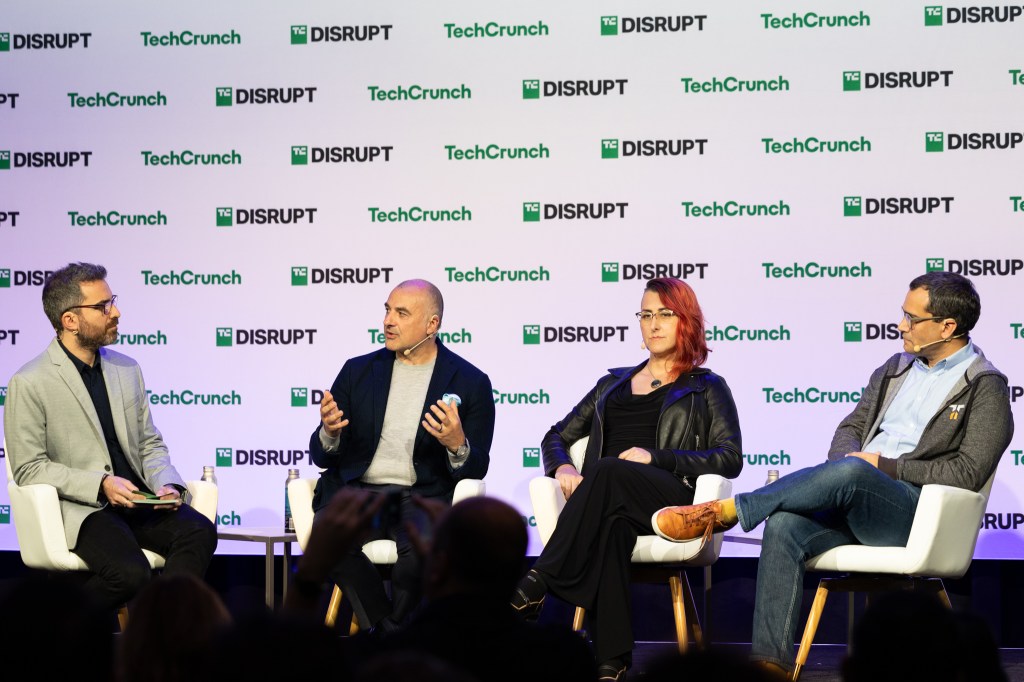
At TechCrunch Disrupt 2024, Bogomil Balkansky, partner at Sequoia Capital; Aeva Black, the section chief for open source security at the U.S. Cybersecurity and Infrastructure Security Agency; and Luis Villa, the co-founder of Tidelift, sat down to discuss the challenges of securing open source software.
“I like to say open source is not free like pizza. It’s free like a puppy. You take it home and don’t feed it, it’s going to eat your furniture, your shoes,” said Black.
Balkansky called open source software the “lifeblood of software,” which makes it “foundational and baked into everything.” The problem, Balkansky added, is that “the business model for open source is still very much work in progress.”
So, who should take care of it and pay to secure it?
Disrupt 2026: The tech ecosystem, all in one room
Your next round. Your next hire. Your next breakout opportunity. Find it at TechCrunch Disrupt 2026, where 10,000+ founders, investors, and tech leaders gather for three days of 250+ tactical sessions, powerful introductions, and market-defining innovation. Register now to save up to $400.
Save up to $300 or 30% to TechCrunch Founder Summit
1,000+ founders and investors come together at TechCrunch Founder Summit 2026 for a full day focused on growth, execution, and real-world scaling. Learn from founders and investors who have shaped the industry. Connect with peers navigating similar growth stages. Walk away with tactics you can apply immediately
Offer ends March 13.
Villa and his team at Tidelift propose a model where the company pays open source maintainers to take care of their code and partners to fix vulnerabilities.
CISA, Black explained, is now getting involved, launching initiatives to tell businesses what are the best — and worst — security practices when it comes to deploying open source software. “We’re here to participate as a member of the open source community and work with them,” said Black, who thinks open source software is a public good.
In terms of how to go forward, Balkansky said that “the solution to open source security, at least to some degree, also needs to be open source,” and warned that “there are no silver bullets.”
Villa said that there’s a need for “multiple approaches” and “defense in depth,” which means there’s a need for several layers of security to protect the open source ecosystem.
And Black said that software builders need to know which open source software is in their products. “We need better engagement to enable everybody to do that with less effort and less burden on individual volunteer maintainers and nonprofits,” Black said.