

Updated at 12.56 am, Saturday India Standard Time: Internet service providers in India are now also blocking Binance and other apps flagged to be operating “illegally” in the country.
It wasn’t long ago when Indian venture capitalists were scrambling to establish their crypto credentials. ENS addresses adorned Twitter profiles. More than a dozen VC firms scrambled to publish their own web3 investment theses, some even lowering their high bar for credentials to hire young analysts well-versed in crypto.
Several young partners, fearing they would miss out on potentially life-changing deals, convinced higher-ups to greenlight investments in early-stage crypto startups at frothy $30-100 million valuations. Crypto was going to be big, and they sought to find the next Flipkart or PhonePe in the burgeoning field of digital assets. Pitch meetings filled up with the 200th crypto exchange concept or 33rd NFT marketplace idea that month.
The excitement was understandable. Crypto was hot globally, and India’s tech scene has been booming. The consensus among major U.S. investors was that India would double its GDP by 2030. Indian startups had already raised over $100 billion in the last 10 years. Naturally, global crypto VC funds flooded into India, hoping to replicate the home runs that Accel, Sequoia and Lightspeed had hit a decade prior.
With crypto going mainstream, it seemed like the next logical step. Bullish reports predicted India housed over 100 million crypto participants, despite far fewer participating in any investment instrument in reality. Hackathons attracted thousands of young engineers, selling dreams of big paydays and once-in-a-lifetime opportunity to reinvent the financial markets and the internet.
Then the tide turned.
Cryptocurrency prices that were once “headed to the moon” reversed course toward the center of the earth. ENS addresses vanished from Twitter bios. Firms shelved half-written crypto thought pieces. Partners shifted focus to other sectors, reassigning analysts to move on from digital assets.
Disrupt 2026: The tech ecosystem, all in one room
Your next round. Your next hire. Your next breakout opportunity. Find it at TechCrunch Disrupt 2026, where 10,000+ founders, investors, and tech leaders gather for three days of 250+ tactical sessions, powerful introductions, and market-defining innovation. Register now to save up to $400.
Save up to $300 or 30% to TechCrunch Founder Summit
1,000+ founders and investors come together at TechCrunch Founder Summit 2026 for a full day focused on growth, execution, and real-world scaling. Learn from founders and investors who have shaped the industry. Connect with peers navigating similar growth stages. Walk away with tactics you can apply immediately
Offer ends March 13.
But prices were only half the problem in India. An equally thorny issue has been restrictive regulation under the central bank, the Reserve Bank of India, which has long opposed cryptocurrencies. Despite having an earlier blanket ban overturned in court, regulators persisted in likening crypto to Ponzi schemes and pressured banks from engaging with any crypto startups.
Without broader crypto adoption, this banking restriction has made fiat currency onboarding extremely challenging. Coinbase learned quickly after its CEO Brian Armstrong triumphantly launched in India in 2022, only to halt trading days later when the RBI refused compatibility with the key UPI payments network.
New restrictive policies like a 30% tax on crypto transfers and mandatory 1% TDS on virtual asset purchases further dampened trading volumes. After processing over $43 billion worth in 2021, Indian exchange WazirX’s volumes collapsed to $1 billion last year.
Asked on Thursday what he thought of the U.S. SEC approving spot bitcoin ETFs from BlackRock, Fidelity, Invesco, Franklin and others, the RBI Governor Shaktikanta Das said the Indian regulator’s position remains unchanged.
“Our position, my position and the RBI’s position on this [cryptocurrencies] remains unchanged irrespective of who does what,” he said at a conference Thursday, reaffirming his concern that crypto doesn’t have any underlying value. “For emerging market economies and for advanced economies also, travelling down that path will create huge risks which will be very difficult to contain going forward.”
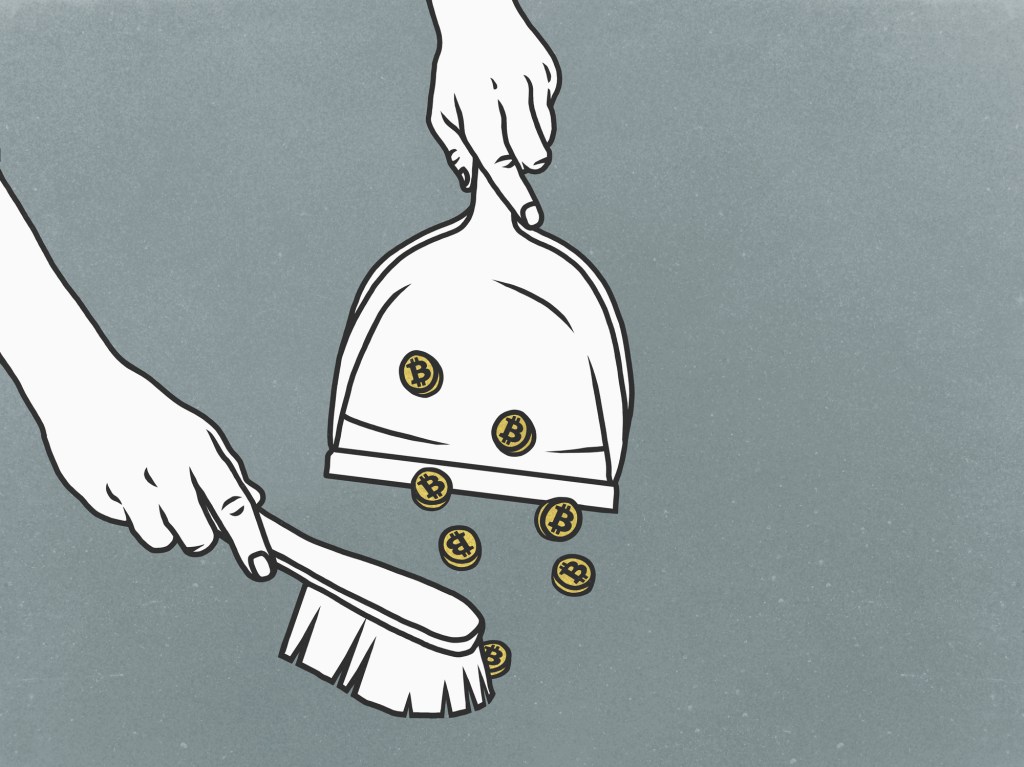
Apple delisting a dozen global crypto apps — relied on by big traders in India, in part due to their tax evasive properties — from its Indian App Store seems the final nail in the coffin, capping a brutal two years. The pending removal across Google Play, internet providers and beyond caps a journey mired with shutdowns, pivots and relocations abroad for Indian crypto startups. The web3 dreams of local entrepreneurs now appear dashed against the rocky shores of regulatory resistance.
Some entrepreneurs are still fighting for the Indian crypto dream, requesting New Delhi reconsider the punishing 30% crypto tax. But the tea leaves clearly foreshadow what lies ahead. Lawmakers continue to painstakingly crystallize their stance: crypto community may be hoping for WAGMI, but India believes the space is NGMI.
