Space is packed with human-made objects, and will likely only get more crowded with the continued growth of the space industry. Spacecraft operators have surprisingly little real-time data about where things actually are in orbit, especially in relation to each other.
Enter Slingshot Aerospace. The company is building a real-time “digital space twin” so that operators can keep their assets safe and secure while in orbit. Investors are certainly paying attention. The company has closed $40.85 million in Series A-2 funding, led by Sway Ventures and with participation from C16 Ventures, ATX Venture Partners, Lockheed Martin Ventures, Valor Equity Partners and Draper Associates. Slingshot also received a venture loan for an undisclosed amount from venture lending firm Horizon Technology Finance.
Slingshot has already raised a notably amount of funding, including a Series A-1 for $25 million that closed in March. The decision to raise so quickly after that last batch of funding was in part due to the opportunity the company was presented to acquire two other businesses, Slingshot CEO Melanie Stricklan told TechCrunch in an interview at TC Sessions: Space in Los Angeles.
“At the very tail end of that A-1, we were presented with these acquisition opportunities,” she explained. Closing out that round and calling this one A-2, rather than B, had much to do with how the company was thinking about the purpose of the funds, she added. “In my mind, a traditional B should be a lot larger, and it’s to completely scale our company. […] When we do a B, we want that round to be significant enough, depending on where we are, to scale the company rather than going to an A-3.”
Those acquisitions were of Numerica’s Space Domain Awareness division and U.K.-based Seradata; both were announced in August. From those companies, Slingshot gained access to what it says is the world’s only optical sensing network for satellite tracking in commercial low Earth orbit to geosynchronous orbit, as well as Seradata’s satellite and launch database.
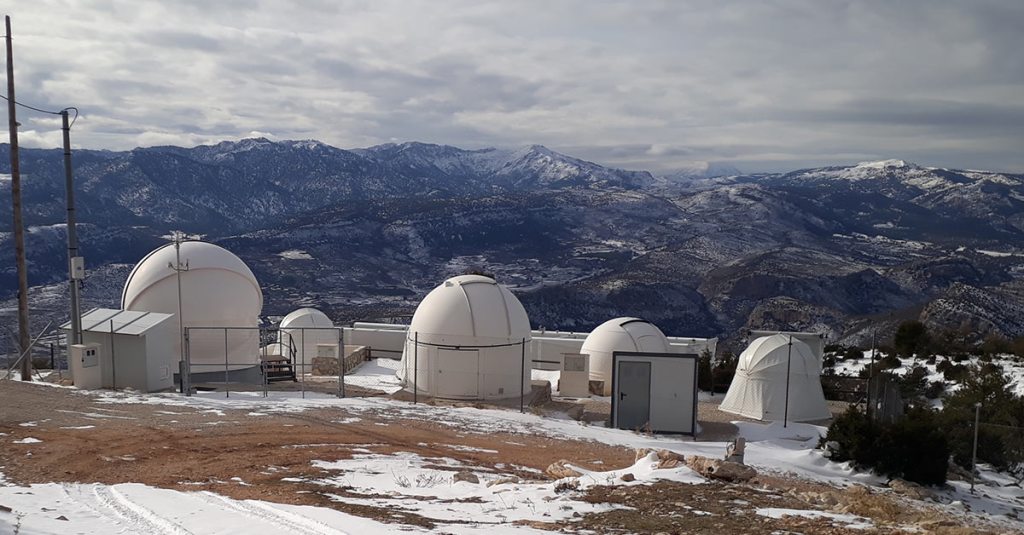
The funding will also be used to grow customers across both commercial and defense sectors; build out Slingshot’s sensor network, which already includes 150 sensors and 30 telescopes across 20 locations globally; and grow Slingshot’s suite of products. Stricklan didn’t specify by how many sensors or telescopes the network would grow, but she did say the company is putting “a significant amount of capex” toward the growth plan.
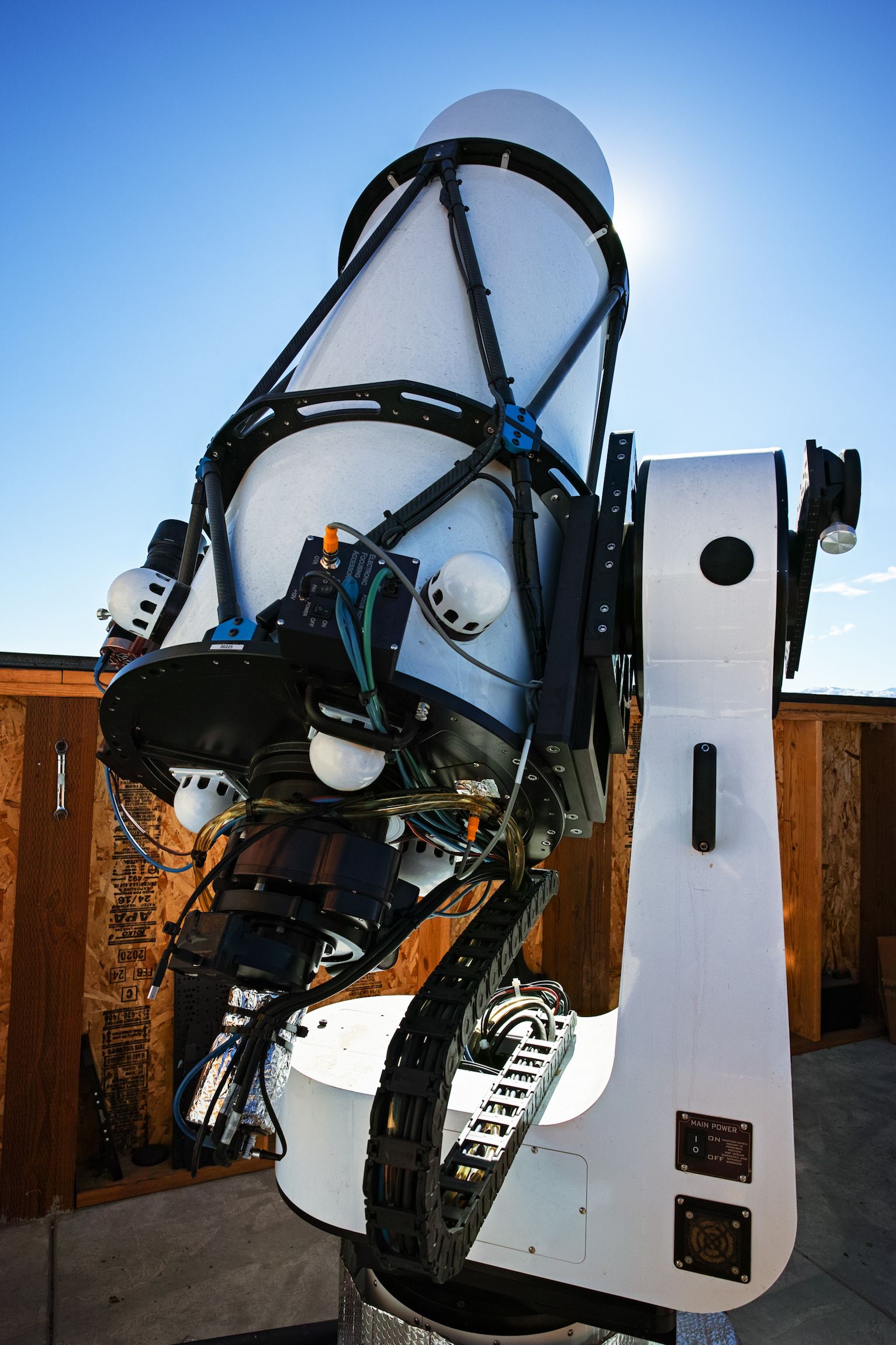
As the Austin and El Segundo-based company continues to grow its space situational awareness (SSA) network, it also announced it would commence a two-month pilot with the U.S. Department of Commerce (DoC) to provide SSA data to the Department of Defense.
Disrupt 2026: The tech ecosystem, all in one room
Your next round. Your next hire. Your next breakout opportunity. Find it at TechCrunch Disrupt 2026, where 10,000+ founders, investors, and tech leaders gather for three days of 250+ tactical sessions, powerful introductions, and market-defining innovation. Register now to save up to $400.
Save up to $300 or 30% to TechCrunch Founder Summit
1,000+ founders and investors come together at TechCrunch Founder Summit 2026 for a full day focused on growth, execution, and real-world scaling. Learn from founders and investors who have shaped the industry. Connect with peers navigating similar growth stages. Walk away with tactics you can apply immediately
Offer ends March 13.
“I think this initiative is going to be a portal to understand what acquisition cultures have to shift […] A lot of that is gonna have to shift if we really want to move space traffic management and space traffic coordination into the [National Oceanic and Atmospheric Administration] realm outside of the DoD realm,” Stricklan said.
“This is the beachhead.”