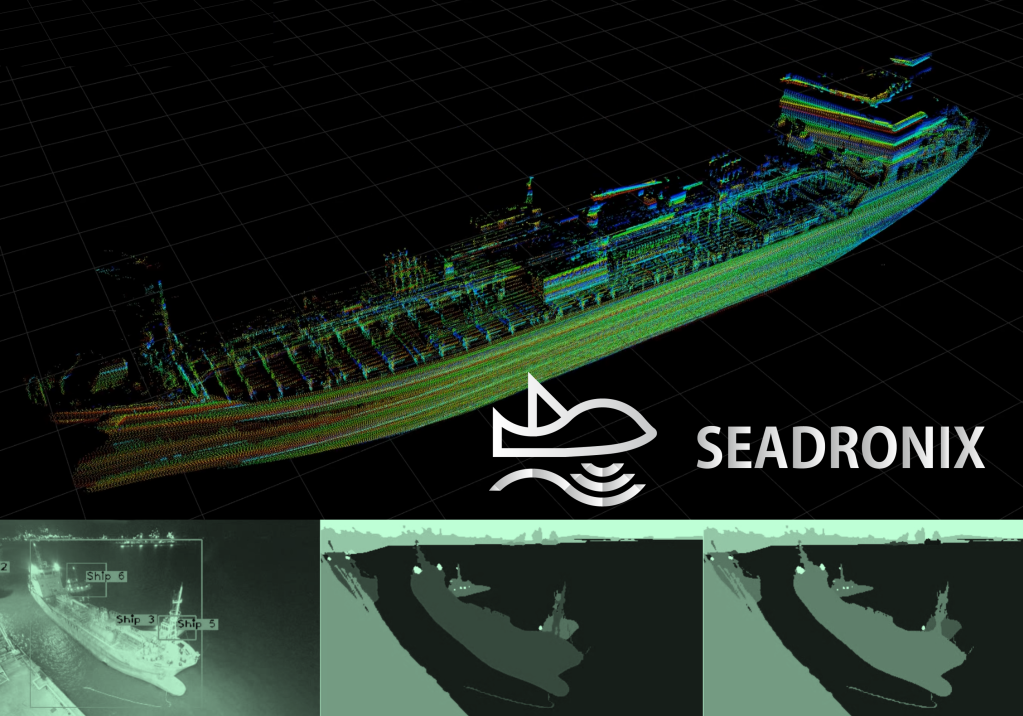
South Korean startup Seadronix wants to reduce the issue of marine accidents, 75% of which are caused by human error, according to a 2019 Allianz safety and shipping report. The company just secured a $5.8 million Series A extension to scale its AI-based ship berthing monitoring and navigation systems to help cargo ships navigate safely and assist port operators anchoring their vehicles at harbor.
The fresh funds, led by SoftBank Ventures Asia, bring Seadronix’s the total round up to $8.3 million. Seadronix will use the capital to grow its team beyond the current headcount of 30 employees and enter global markets, including Singapore and Europe, where its “smart ports” are located, Byeolteo Park, CEO and co-founder, said in an interview with TechCrunch.
A smart port uses technologies including AI, big data, Internet of Things and 5G to provide more security and save energy by digitalizing the way huge ships enter docks and handle logistics at the ports. Seadronix says some smart ports across the globe have adopted innovative technologies; for example, Port of Rotterdam in the Netherlands, Port of Hamburg in Germany and Port of Singapore, but that generally, the traditional shipping industry is conservative and resistant to change, meaning it’s therefore ripe for disruption.
“Our mission is to be an AI platform that ensures the safety and environmental protection of the ocean,” said Park. “With this funding, we hope to recruit more staff for the AI, sensor fusion and navigation business and accelerate our global market penetration plan.”
The startup was founded in December 2015 by three founders: Park, Donghun Kim (co-CTO) and Hankeun Kim (co-CTO). All of the founders previously worked as autonomous cargo ship researchers at the Korea Advanced Institute of Science and Technology (KAIST) and decided to turn their studies into a business, according to Park.
Seadronix’s AI-based berthing monitoring system (AVISS) uses vision sensors and lidar to help large vessels berth. Its AI-based around-view monitoring system (NAVISS), which can be retrofitted to cargo ships, supports ships in navigating situations.
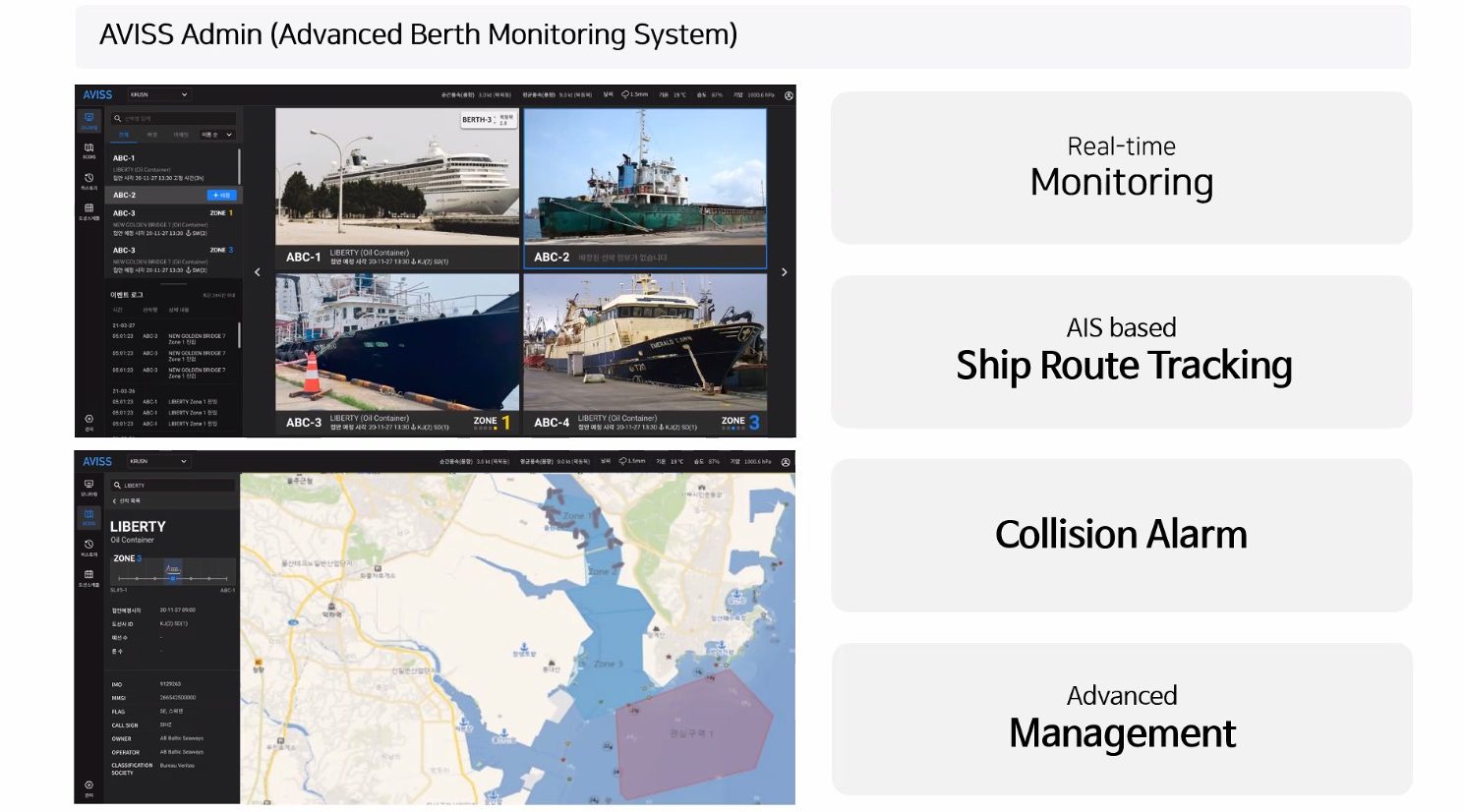
Seadronix’s AVISS customers include four ports in South Korea (Incheon, Busan, Ulsan and Yeosu), the South Korean Ministry of Oceans and Fisheries and SK Incheon Petrochem, said Park. In addition, South Korea’s shipbuilding company Hyundai Heavy Industries uses Seadronix’s NAVISS for its intelligent berthing assistant system (HiBAS), he added, noting that it also works with telco companies because its services need a 5G or 6G connection.
Disrupt 2026: The tech ecosystem, all in one room
Your next round. Your next hire. Your next breakout opportunity. Find it at TechCrunch Disrupt 2026, where 10,000+ founders, investors, and tech leaders gather for three days of 250+ tactical sessions, powerful introductions, and market-defining innovation. Register now to save up to $400.
Save up to $300 or 30% to TechCrunch Founder Summit
1,000+ founders and investors come together at TechCrunch Founder Summit 2026 for a full day focused on growth, execution, and real-world scaling. Learn from founders and investors who have shaped the industry. Connect with peers navigating similar growth stages. Walk away with tactics you can apply immediately
Offer ends March 13.
The startup’s target market are global shipbuilders, ship operators, smart port operators or harbor operators that want to digitize their operation process, according to the company.
Orca AI, which puts computer vision onto cargo ships, raises $13M Series A funding
Oceans of opportunity: surveying 2020’s seafaring startup potential