Something I think that gets lost in the conversation around robotics is just how many different tasks can — and at some point will — be automated. Here I’m talking specifically about agtech. We’ve seen a ton of agricultural robotics come across our desk in recent years, and one of the more remarkable things about it all is just how broad the applications are.
There are all of the usual automated tasks you’d expect: produce picking, payload carting, weed pulling. All necessary farming tasks that seem to be well served by the industry. But what of rocks? Honestly, it’s something that hadn’t really occurred to me, having not spent any time on farms, aside from the occasional elementary school field trip.
TerraClear first entered our radar in 2018, mostly due to the founder’s former company (Smartsheet). Rocks are, quite literally, a big problem for farmers and farming equipment, so the company built a tractor/robot designed to pick them up. The system, which ships next year, will be able to grab up to 400 rocks an hour — individual rocks weighing up to 300 pounds.
The company just announced a $25 million Series A, which brings its total funding up to $36 million, says founder and CEO Brent Frei.
Disrupt 2026: The tech ecosystem, all in one room
Your next round. Your next hire. Your next breakout opportunity. Find it at TechCrunch Disrupt 2026, where 10,000+ founders, investors, and tech leaders gather for three days of 250+ tactical sessions, powerful introductions, and market-defining innovation. Register now to save up to $400.
Save up to $300 or 30% to TechCrunch Founder Summit
1,000+ founders and investors come together at TechCrunch Founder Summit 2026 for a full day focused on growth, execution, and real-world scaling. Learn from founders and investors who have shaped the industry. Connect with peers navigating similar growth stages. Walk away with tactics you can apply immediately
Offer ends March 13.
“There are more than 400 million arable acres worldwide that have been waiting for a cost-effective and productive solution to this problem,” said Frei. “Repetitive tasks like this are optimal targets for automation, and the technologies we are bringing to the field dramatically reduce the labor and time needed to prep fields for planting.”
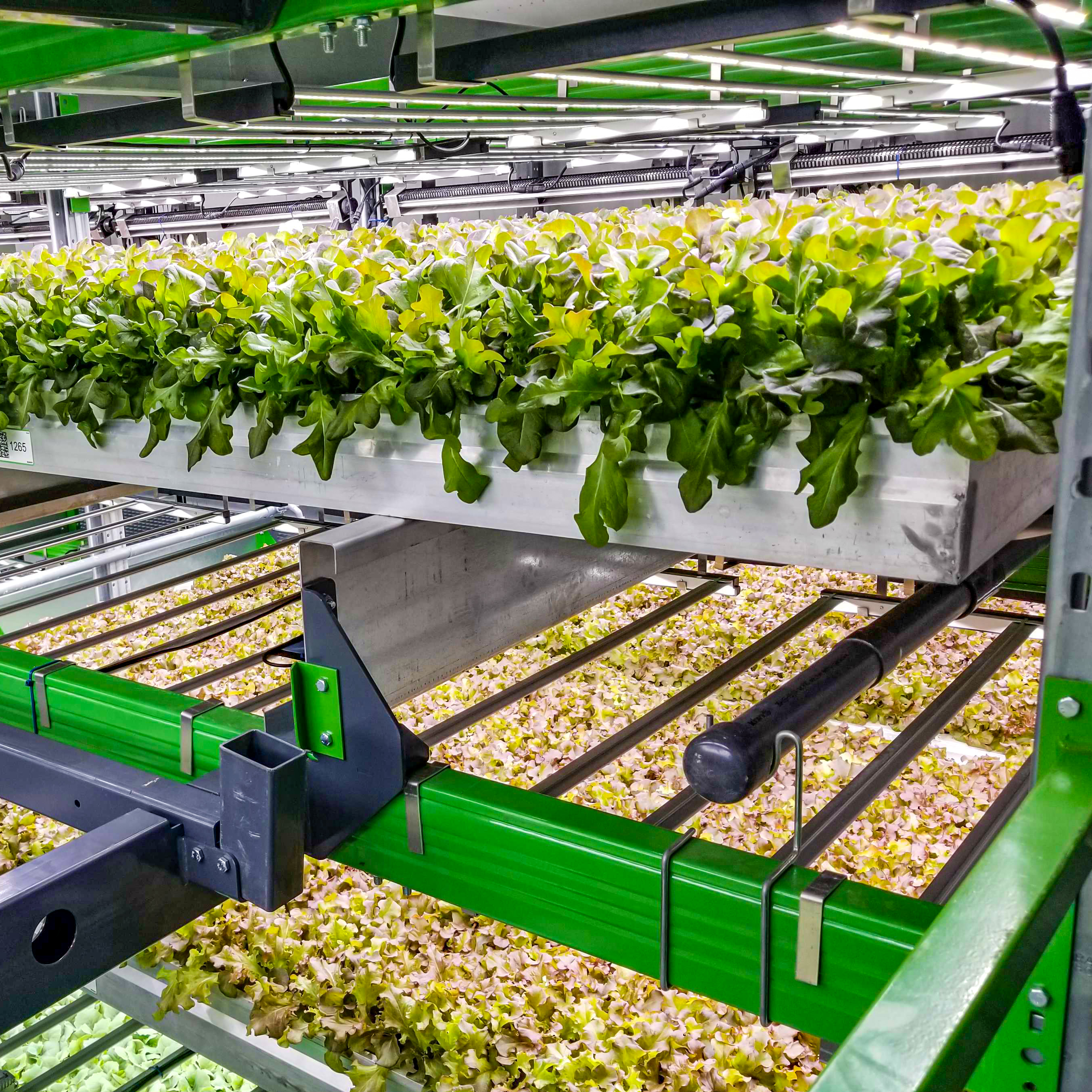
Since we’re talking about farms and robots, Bowery Farming deserves a mention for a massive $300 million round. That puts the NYC-based company’s value at a beefy $2.3 billion. Robots, sensors and AI are a big part of Bowery’s vertical farming approach. The company’s already sending its produce to 850 grocery stores, along with a deal with Amazon Fresh.
It’s probably safe to say that indoor farming has a future for all sorts of reasons having to do with land use, climate and beyond.
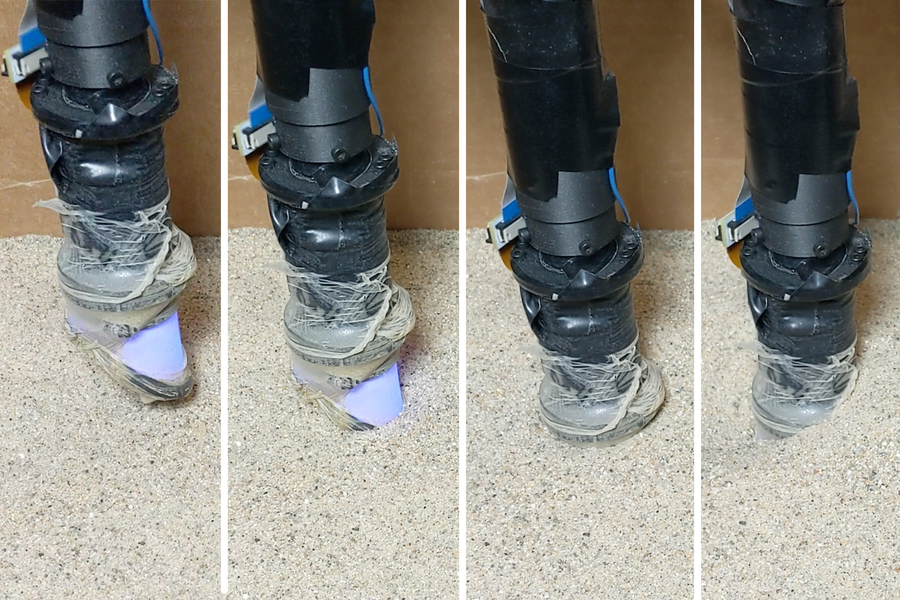
Of course today’s research is tomorrow’s unicorns (this is not actually a saying…yet), and there are a couple of projects worth noting this week. Leading off the bunch is MIT, which is giving robotic inspection the finger. The oddly (but not inaccurately) named Digger Finger is capable of sensing and identifying objects underground. It’s a useful skill that could someday be deployed for landmines, finding underground cables and a variety of other tasks.
And here’s a nice feel-good story, as it were. A new paper published in Science from University of Pittsburgh engineers highlights the value of adding tactile feedback for prosthetic arms. This delivers some clear advantages over traditional vision sensing. Per the paper:
Flesher et al. added an afferent channel to the brain-computer interface to mimic sensory input from the skin of a hand (see the Perspective by Faisal). The improvements achieved by adding the afferent input were substantial in a battery of motor tasks tested in a human subject.