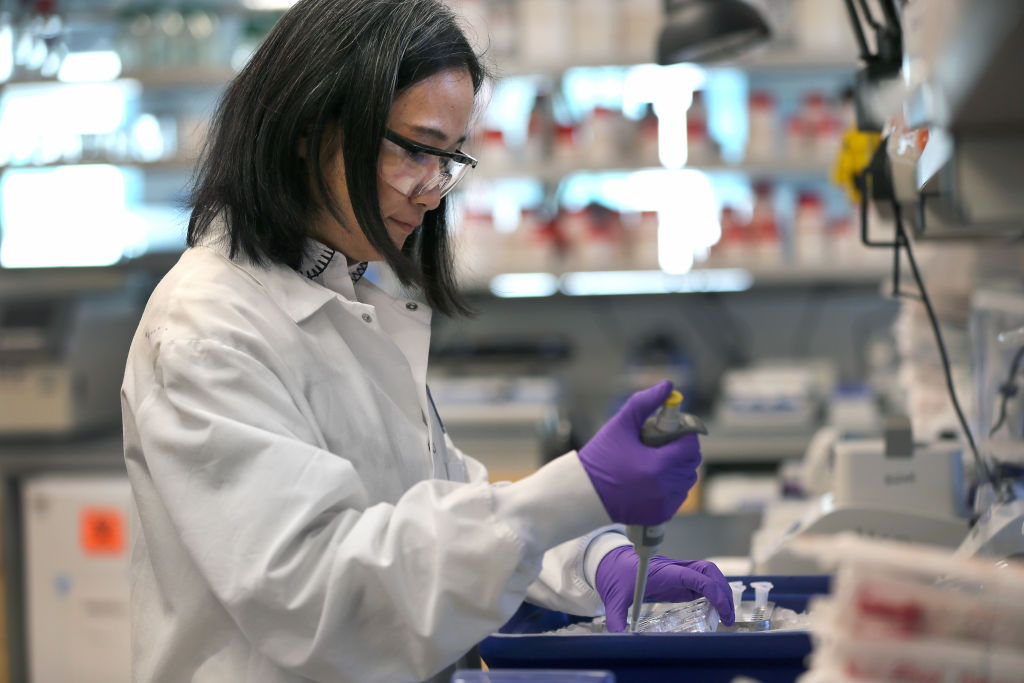
Following fast on the heels of Pfizer’s announcement of its COVID-19 vaccine efficacy, Moderna is also sharing positive results from its Phase 3 trial on Monday. The biotech company says that its COVID-19 vaccine candidate has shown efficacy of 94.5% in its first interim data analysis, which covers 95 confirmed COVID cases among its study participants, of which 90 were given the placebo, and only 5 received Moderna’s mRNA-based vaccine. Further, of 11 severe cases of COVID-19, none were found among those who received the actual vaccine candidate.
This is another very promising sign for the potential of having effective vaccines available to the public in some kind of significant volume at some point next year. As mentioned, it’s worth pointing out that this is just a first interim report, but it is data that comes from the safety board overseeing the trial appointed by the National Institutes of Health, which is an independent body not affiliated with Moderna, so it’s a reliable result that provides hope for continued and final analysis.
Moderna says that within the coming weeks it will be submitting for an Emergency Use Authorization of its vaccine candidate based on the results, looking to get approval from the FDA to use it in emergency circumstances ahead of a full and final approval. That EUA, should it be granted, will be based on data from 151 confirmed cases among the Phase 3 participant group (which included 30,000 participants in total), and data from follow-ups extending on average over two months after case confirmation.
All final data will also be submitted to the scientific community for independent peer review, which is a standard part of the ultimate vaccine trial and approval process.
Pfizer’s COVID-19 vaccine proves 90% effective in first results from Phase 3 clinical trial
Both this and Pfizer’s vaccine candidate, which it developed in partnership with BioNTech, are mRNA-based vaccines. These are relatively new in terms of human use, and differ from traditional vaccines in that they use messenger RNA to instruct a recipient’s cells to generate effective antibodies, without actually exposing them to any virus, whereas more traditional vaccines in general typically use either small, safe doses of active or inactive virus in order to trigger a patient’s immune system to generate their own antibodies.