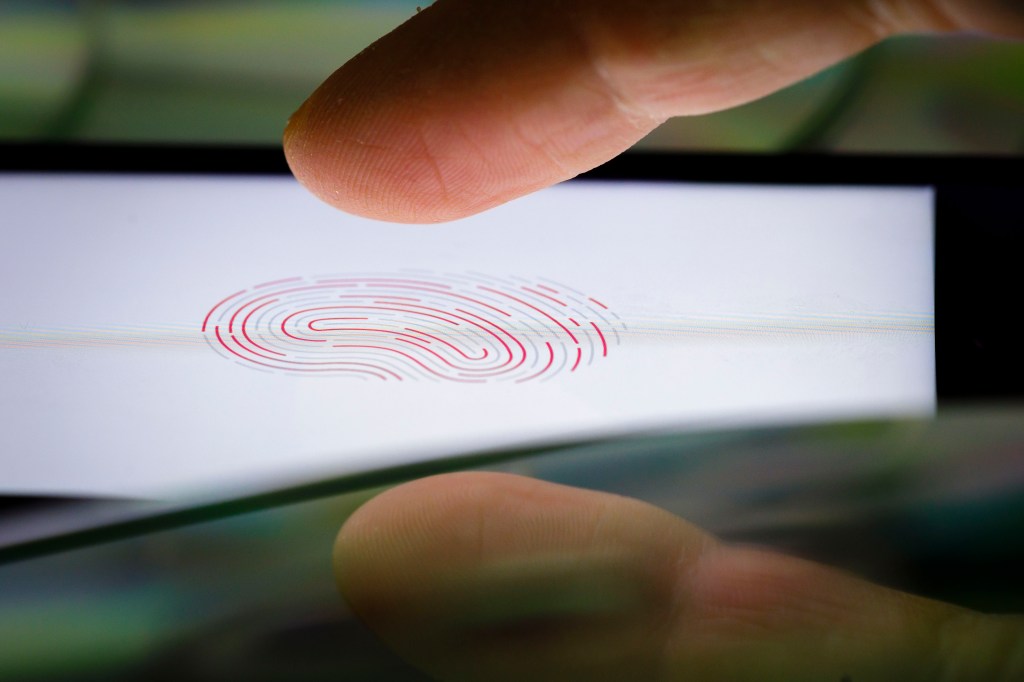
New Jersey’s top court has ruled that police can compel suspects to give up their phone passcodes, and does not violate the Fifth Amendment.
The Fifth Amendment protects Americans from self-incrimination, including the well-known right to remain silent.
But the courts remain split on whether this applies to device passcodes. Both Indiana and Pennsylvania have ruled compelling a suspect to turn over their device’s passcode would violate the Fifth Amendment.
New Jersey’s Supreme Court thinks differently. In this week’s ruling, the court said the Fifth Amendment protects only against self-incriminating testimony — as in speech — and not the production of incriminating information.
Much of the legal debate is not about the passcodes, rather the information contained on the devices. Courts like Indiana found that compelling a suspect to turn over their passcode can give the government unfettered access to the suspect’s device, which may contain potentially incriminating information that the government might not have been aware of. The courts have likened this to a fishing expedition and ruled it unconstitutional.
But in the New Jersey case, the court said it’s a “foregone conclusion” that the phone’s data wouldn’t reveal anything the government didn’t already know.
Law enforcement have spent years trying to break into suspects’ phones, either using phone hacking technology with mixed results, or — in the case of modern phones — by using a suspect’s fingerprint or face to unlock their devices.
Disrupt 2026: The tech ecosystem, all in one room
Your next round. Your next hire. Your next breakout opportunity. Find it at TechCrunch Disrupt 2026, where 10,000+ founders, investors, and tech leaders gather for three days of 250+ tactical sessions, powerful introductions, and market-defining innovation. Register now to save up to $400.
Save up to $300 or 30% to TechCrunch Founder Summit
1,000+ founders and investors come together at TechCrunch Founder Summit 2026 for a full day focused on growth, execution, and real-world scaling. Learn from founders and investors who have shaped the industry. Connect with peers navigating similar growth stages. Walk away with tactics you can apply immediately
Offer ends March 13.
With courts divided on the matter, the final arbiter on the legality of whether police can compel a suspect to turn over their password will fall to the U.S. Supreme Court.
Send tips securely over Signal and WhatsApp to +1 646-755-8849 or send an encrypted email to: zack.whittaker@protonmail.com