The United States has been lobbying for months to prevent its western allies from using Huawei equipment in their 5G deployment, and on Wednesday, Washington made it more difficult for the Chinese telecom titan to churn out those next-gen products.
The U.S. Department of Commerce announced it will add Huawei and its 70 affiliates to the so-called “Entity List,” a move that will prevent the telecom giant from buying parts and components from U.S. companies without approval from Washington. That confirms reports of the potential ban a day before.
Despite being the largest telecom equipment maker around the world, Huawei relies heavily on its American suppliers, giving the U.S. much leeway to hobble the Chinese firm’s production.
Following the dramatic move, shares of a gauge of Huawei affiliates slumped on Wednesday. Tatfook Technology, which sells to Huawei as well as Ericsson and Bosch, dropped 2.84% in Shenzhen in morning trading. New Sea Union Telecom, a supplier to China’s “big three” telecom network operators and Huawei, slid 4.88%. Another Huawei key partner, Chunxing Precision Mechanical, dropped as much as 5.37%.
Huawei did not comment directly on the Commerce Department’s blacklist when reached by TechCrunch, but said it’s “ready and willing to engage with the U.S. government and come up with effective measures to ensure product security.”
“Restricting Huawei from doing business in the U.S. will not make the U.S. more secure or stronger; instead, this will only serve to limit the U.S. to inferior yet more expensive alternatives, leaving the U.S. lagging behind in 5G deployment, and eventually harming the interests of U.S. companies and consumers,” Huawei hit back in the statement.
This view is congruent with some of the harshest criticisms of Washington’s backlash against Huawei. Scholars and industry observers warn that Chinese tech firms have become such an integral part to the global economy that severing ties with Huawei will do harm to 5G advancement worldwide.
Disrupt 2026: The tech ecosystem, all in one room
Your next round. Your next hire. Your next breakout opportunity. Find it at TechCrunch Disrupt 2026, where 10,000+ founders, investors, and tech leaders gather for three days of 250+ tactical sessions, powerful introductions, and market-defining innovation. Register now to save up to $400.
Save up to $300 or 30% to TechCrunch Founder Summit
1,000+ founders and investors come together at TechCrunch Founder Summit 2026 for a full day focused on growth, execution, and real-world scaling. Learn from founders and investors who have shaped the industry. Connect with peers navigating similar growth stages. Walk away with tactics you can apply immediately
Offer ends March 13.
In addition, the Chinese company said the U.S.’s “unreasonable restrictions will infringe upon Huawei’s rights and raise other serious legal issues,” though it did not spell out what those rights and legal concerns are.
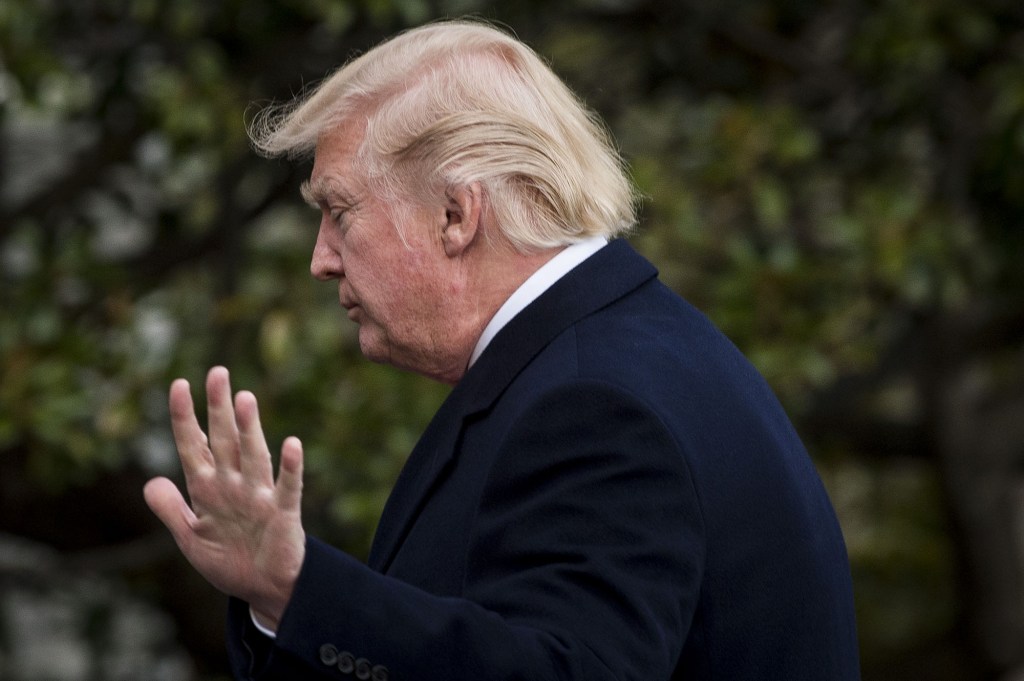
The announcement dropped on the same day U.S. President Donald Trump declared “a national emergency” over technology supply chain threats from the country’s “foreign adversaries.”
Trump declares national emergency to protect US networks from foreign espionage
The Commerce Department said it has a reasonable basis to conclude that “Huawei is engaged in activities that are contrary to U.S. national security or foreign policy interest.”
Some of the U.S.’s allies, including the U.K., are still investigating Huawei’s possible security threat and deciding how close a link they should keep with Huawei, but the Shenzhen-based company has already taken a bold step to give its potential clients some assurance.
Just this Tuesday, Huawei told reporters in London that it’s “willing to sign no-spy agreements with governments, including the U.K. government,” and commit itself to making its equipment “meet the no-spy, no-backdoors standard.”
The U.S.’s tit-for-tat with Huawei also includes the push to arrest the company’s CFO Meng Wanzhou on charges that Huawei did business in Iran in breach of U.S. sanctions.