Amazon has acquired Boulder, Colo.-based warehouse robotics startup Canvas Technology, TechCrunch has learned. The deal makes a lot of sense from the outside, adding another important piece to Amazon Robotics’ growing portfolio of fulfillment center machines.
Amazon confirmed the acquisition with TechCrunch. “We are inspired by Canvas Technology’s innovations, and share a common vision for a future where people work alongside robotics to further improve safety and the workplace experience,” a spokesperson said in a statement. “We look forward to working with Canvas Technology’s fantastic team to keep inventing for customers.”
Founded in 2015, Canvas has already showcased some impressive technologies, including a fully autonomous cart system that positions the startup as a direct competitor with the likes of Bay Area-based Fetch. The startup raised a $15 million Series A led by Playground Global.
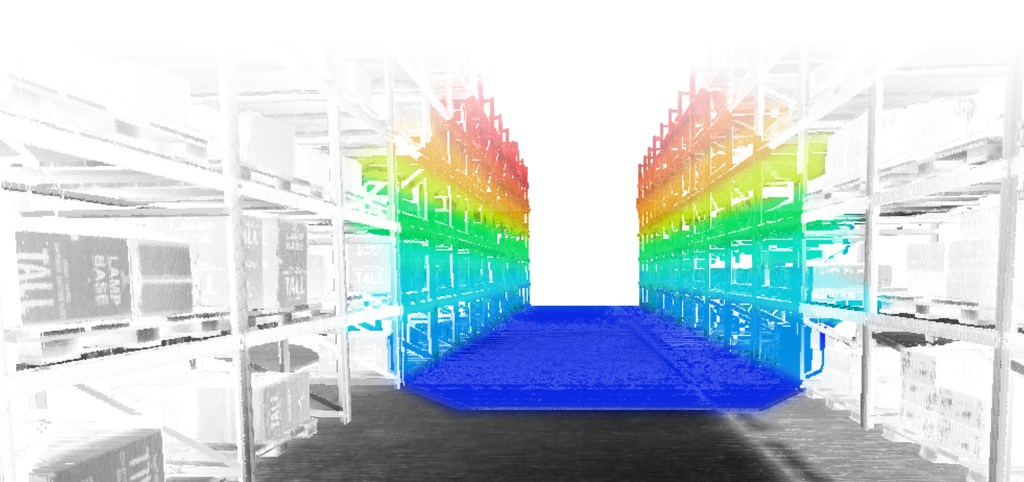
The Canvas Autonomous Cart was on display at Playground’s open house roughly this time last year, doing an impressive job avoiding people and obstacles in the crowded space. The system utilizes 3D imaging and an in-house software solution that can be applied to other hardware — essentially operating like a self-driving car in a warehouse setting.
Canvas should make a nice addition to Amazon Robots’ offerings. The division was created after the company’s 2012 acquisition of Kiva Systems, whose shelving robotics now serve as a kind of robotic epicenter to Amazon’s many fulfillment centers.
On our recent tour of the company’s JFK8 in Staten Island, the company noted that it currently has some 100,000 systems deployed across 25 fulfillment centers. That number is a combination of Amazon’s own systems, along with devices from third parties, including Japanese industrial giant, Fanuc. Clearly, however, the company is looking to put its own stamp on the systems going forward in a push to increase delivery efficiency through automation.
Safety has been a big factor, as well. It always is with these sorts of collaborative robotics, of course, but Amazon’s fulfillment centers have a built-in extra layer of scrutiny. Earlier this year we got a sneak peek at the company’s robotic safety vest, designed to give employees an added layer of protection when entering the fenced-off section of the floor that sports the Kiva systems.
Disrupt 2026: The tech ecosystem, all in one room
Your next round. Your next hire. Your next breakout opportunity. Find it at TechCrunch Disrupt 2026, where 10,000+ founders, investors, and tech leaders gather for three days of 250+ tactical sessions, powerful introductions, and market-defining innovation. Register now to save up to $400.
Save up to $300 or 30% to TechCrunch Founder Summit
1,000+ founders and investors come together at TechCrunch Founder Summit 2026 for a full day focused on growth, execution, and real-world scaling. Learn from founders and investors who have shaped the industry. Connect with peers navigating similar growth stages. Walk away with tactics you can apply immediately
Offer ends March 13.
Canvas, on the other hand, brings its own built-in safety with its autonomous vision system. The hardware is designed to more directly interact with workers on the floor. It’s easier to imagine the company adopting the technology for some of its existing systems, as well.
Notably, Canvas co-founder and CTO Nima Keivan will be onstage at our Robotics + AI event next week in Berkeley, where he will no doubt be able to provide some extra insight for his robotics startup panel.