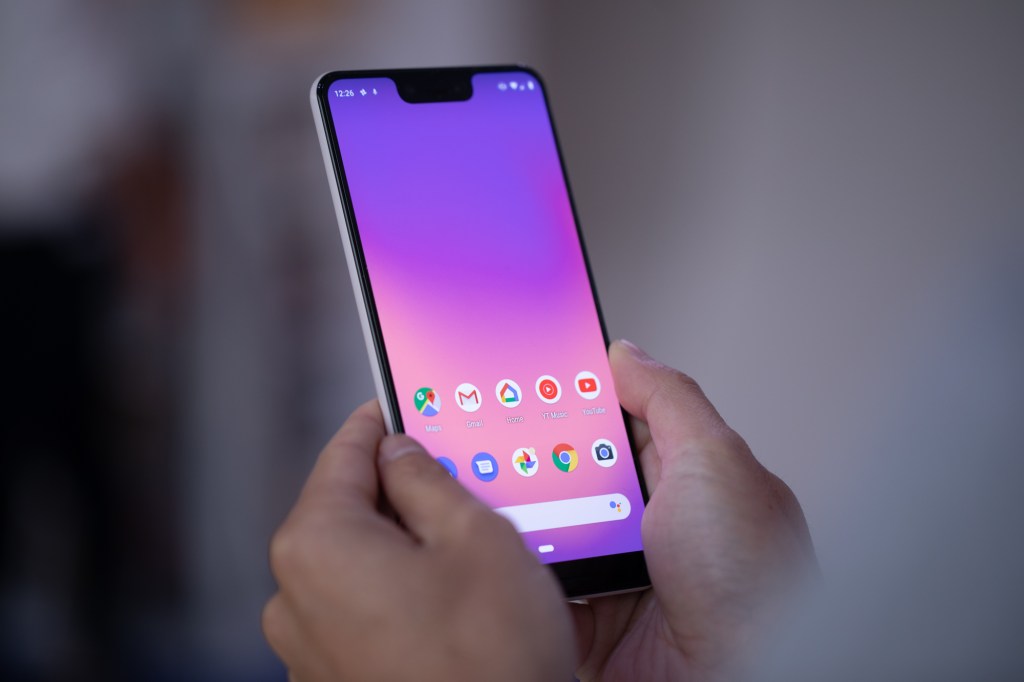
Google hardware launches are never spec-fests. The search giant would rather just sit on the sideline while companies like Apple and Samsung battle it out on that front. In fact, numbers like screen resolution, processor speed and battery capacity were conspicuously absent from today’s presentation.
Instead, the company seems more content to have hardware serve the product’s software — it’s a strategy that certainly makes sense given the company’s background. That often means that products like the Pixel don’t offer major spec upgrades year over year, instead relying on breakthroughs in AI, ML and the like to take them to the next level.
As such, the company regularly tosses out words like “pragmatic” and “practical” when discussing the decisions made in service of producing the Pixel 3. One such move was the continued reliance on a single rear-facing camera, when the competition is adding two or three to get the job done.
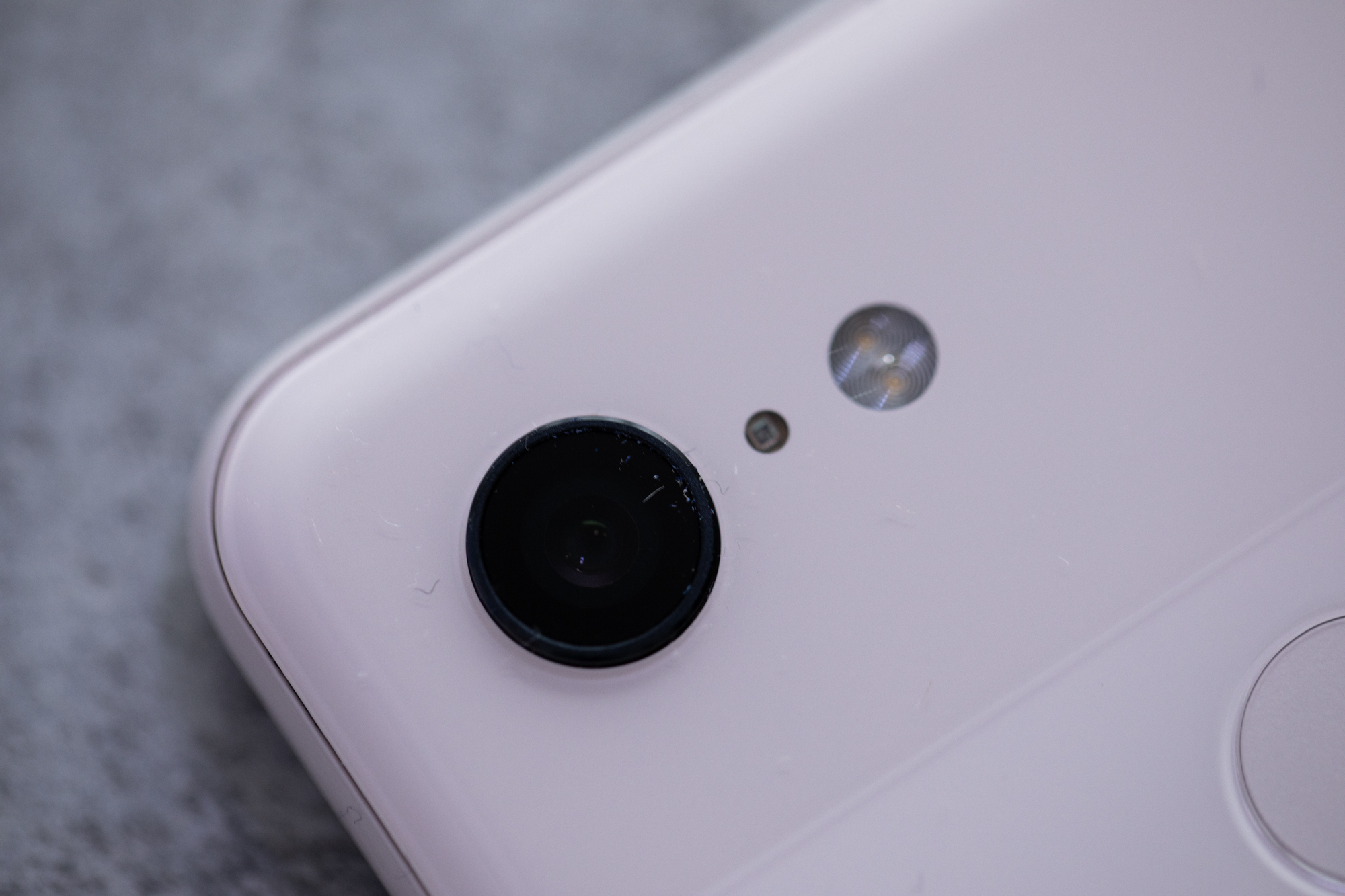
“We look at all of the different configurations we can get,” VP of Product Management Brian Rakowski tells TechCrunch. “If we would have added another lens, it would have given us no benefit over what we get with one really good lens.”
The simple answer is that the company was able to accomplish most of what it set out to do with a combination of “one really good camera” and software tricks like digital zoom, ultra low-light shooting and depth perception. That last bit is doubly important both for creating the bokeh effect in portrait mode and helping deliver augmented reality experiences through ARCore.
Senior Director of Product Management Sabrina Ellis says the company did consider a wide-angle lens for the rear of the device, but ultimately, “it wasn’t as much of a pain point.” It was, however, enough of an issue to warrant its addition to the front of the device.
Disrupt 2026: The tech ecosystem, all in one room
Your next round. Your next hire. Your next breakout opportunity. Find it at TechCrunch Disrupt 2026, where 10,000+ founders, investors, and tech leaders gather for three days of 250+ tactical sessions, powerful introductions, and market-defining innovation. Register now to save up to $400.
Save up to $300 or 30% to TechCrunch Founder Summit
1,000+ founders and investors come together at TechCrunch Founder Summit 2026 for a full day focused on growth, execution, and real-world scaling. Learn from founders and investors who have shaped the industry. Connect with peers navigating similar growth stages. Walk away with tactics you can apply immediately
Offer ends March 13.
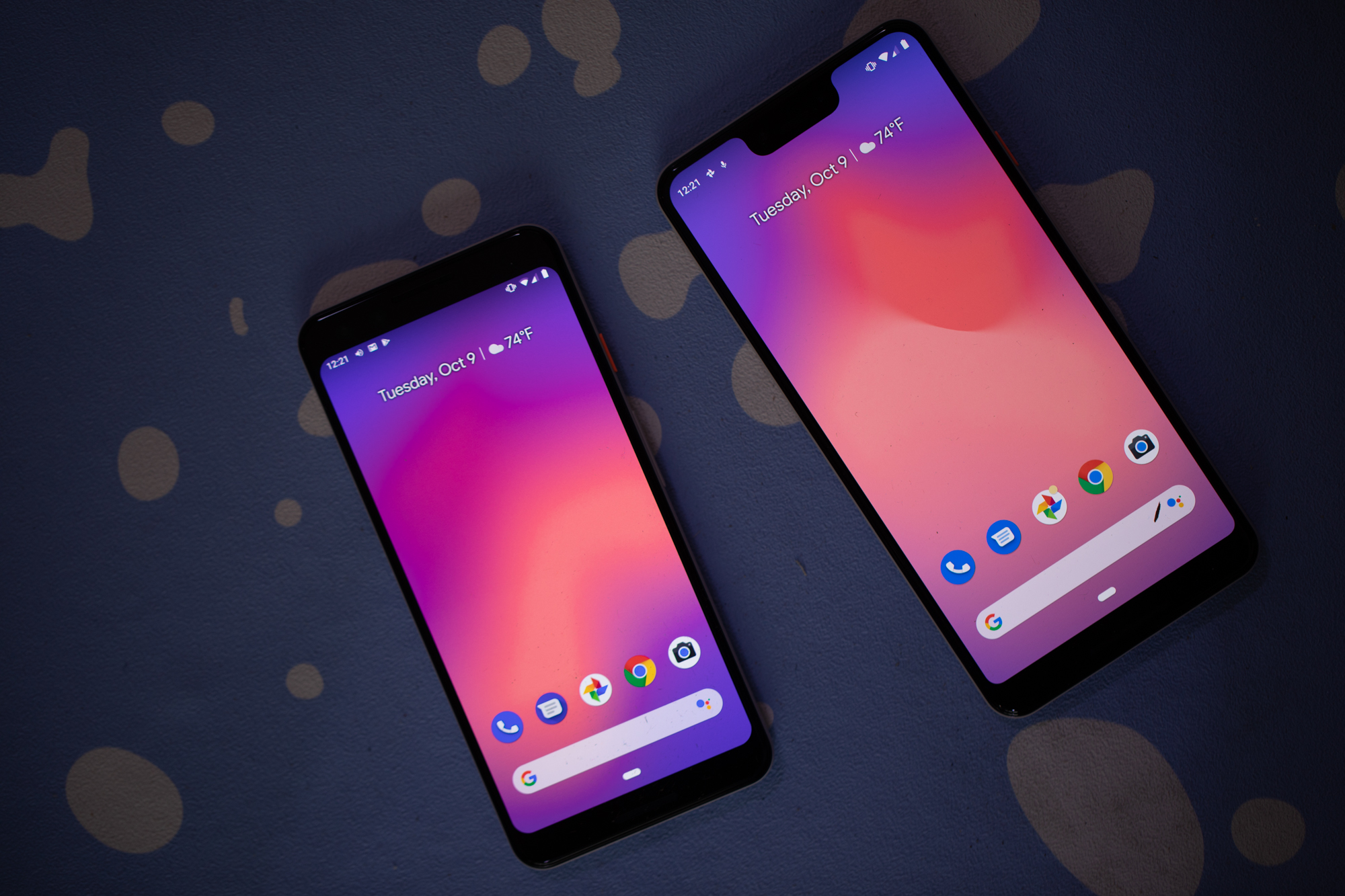
That decision is what lead to the mismatched notches on the Google Pixel 3 (no notch) and Pixel 3 XL (giant notch). While the company has happily embraced hashtag notch life in Android Pie, the smaller Pixel’s slim profile wouldn’t have benefited from the addition of a notch.
“With the small one,” Rakowski explains, “it turns out the space is just too small when you put the wide-angle lens in. It’s a narrower phone, so you have room for an icon or two, whereas on the bigger phone everything you need for the status icons is up there, and it’s a very good use of the space.”
When I suggested the company was “notch agnostic,” both execs laughed in agreement. The hardware, Rakowski explained, is secondary to the overall experience. “We’re not obsessed with the specs,” he says. “We’re obsessed with the features and experiences.”