At its Ignite conference in Orlando, Florida, Microsoft today announced a plethora of new Internet of Things-focused updates to its Azure cloud computing platform. It’s no secret that the amount of data generated by IoT devices is a boon to cloud computing services like Azure — and Microsoft is definitely aiming to capitalize on this (and its existing relationships with companies in this space).
Some of today’s announcements are relatively minor. Azure IoT Central, the company’s solution for helping you get started with IoT, is now generally available, for example, and there are updates to Microsoft’s IoT provisioning service, IoT hub message routing tools and Map Control API.
Microsoft also today announced that the Azure IoT platform will now support Google’s Android and Android Things platform via its Java SDK.
What’s more interesting, though, is the new services. The highlight here is probably the launch of Azure Digital Twins. Using this new service, enterprises can now build their own digital models of any physical environment.
Think of it as the virtual counterpart to a real-world IoT deployment — and as the IoT deployment in the real world changes, so does the digital model. It will provide developers with a full view of all the devices they have deployed and allows them to run advanced analytics and test scenarios as needed without having to make changes to the actual physical deployment.
“As the world enters the next wave of innovation in IoT where the connected objects such as buildings, equipment or factory floors need to be understood in the context of their environments, Azure Digital Twins provides a complete picture of the relationships and processes that connect people, places and devices,” the company explains in today’s announcement.
Disrupt 2026: The tech ecosystem, all in one room
Your next round. Your next hire. Your next breakout opportunity. Find it at TechCrunch Disrupt 2026, where 10,000+ founders, investors, and tech leaders gather for three days of 250+ tactical sessions, powerful introductions, and market-defining innovation. Register now to save up to $400.
Save up to $300 or 30% to TechCrunch Founder Summit
1,000+ founders and investors come together at TechCrunch Founder Summit 2026 for a full day focused on growth, execution, and real-world scaling. Learn from founders and investors who have shaped the industry. Connect with peers navigating similar growth stages. Walk away with tactics you can apply immediately
Offer ends March 13.
Azure Digital Twins will launch into preview on October 15.
Microsoft built its own custom Linux kernel for its new IoT service
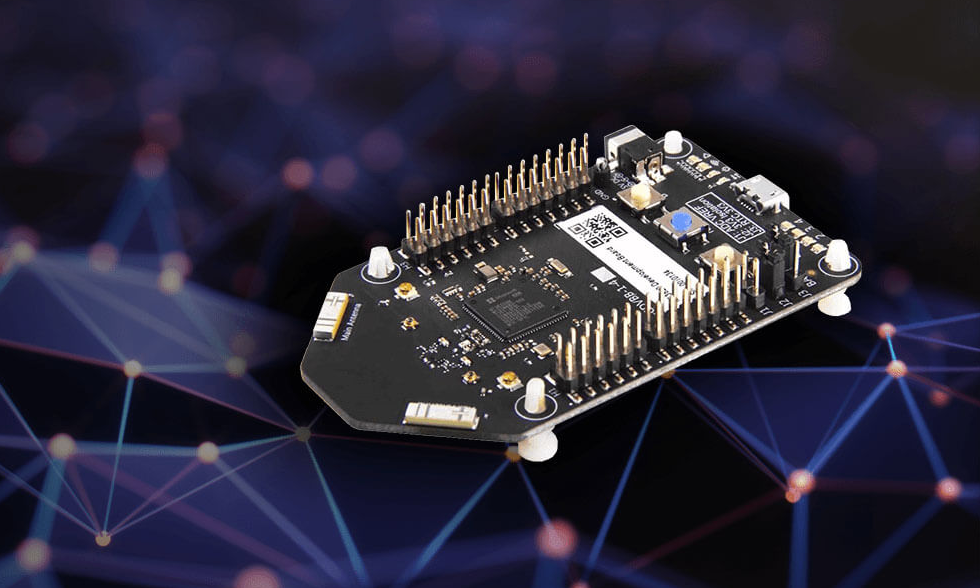
The other major announcement is that Azure Sphere, Microsoft’s play for getting into small connected microcontroller devices, is now in public preview, with development kits shipping to developers now. For Azure Sphere, Microsoft built its own Linux-based kernel, but the focus here is obviously on selling services around it, not getting licensing fees. Every year, hardware companies ship nine billion of these small chips and few of them are easily updated and hence prone to security issues once they are out in the wild. Azure Sphere aims to offer a combination of cloud-based security, a secure OS and a certified microcontroller to remedy this situation.
Microsoft also notes that Azure IoT Edge, its fully managed service for delivering Azure services, custom logic and AI models to the edge, is getting a few updates, too, including the ability to submit third-party IoT Edge modules for certification and inclusion in the Azure Marketplace. It’s also about to launch the public preview of IoT Edge extended offline for those kinds of use cases where an IoT device goes offline for — you guessed it — and extended period.