
At its Build developer conference in Seattle, Microsoft today announced Fluent Design, its design system for building user interfaces across devices. In many ways, the ideas behind Fluent resemble those of Google’s Material Design language. The main purpose here is to give developers access to a single design language that will work well across devices.
As Kevin Gallo, Microsoft’s VP for the Windows Developer Platform, told me, the team wanted to build a system that would help developers write more “delightful” applications.
The overall design principle here was to create a design language that looks light, features layers and depth and animations, as well as materials. Because of this support for materials, Fluent will also bring back some of the translucency that Windows apps lost in recent iterations of the operating system.
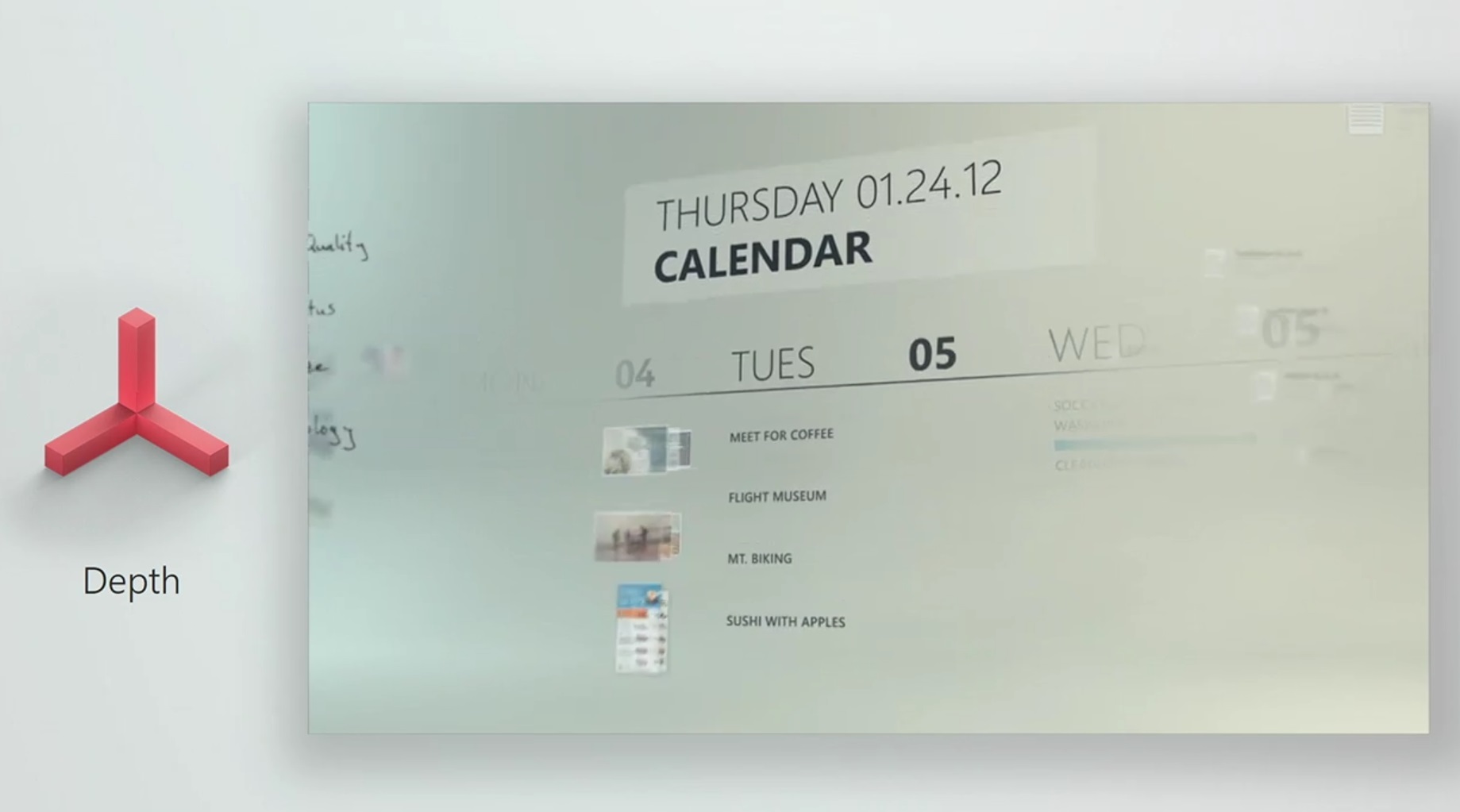
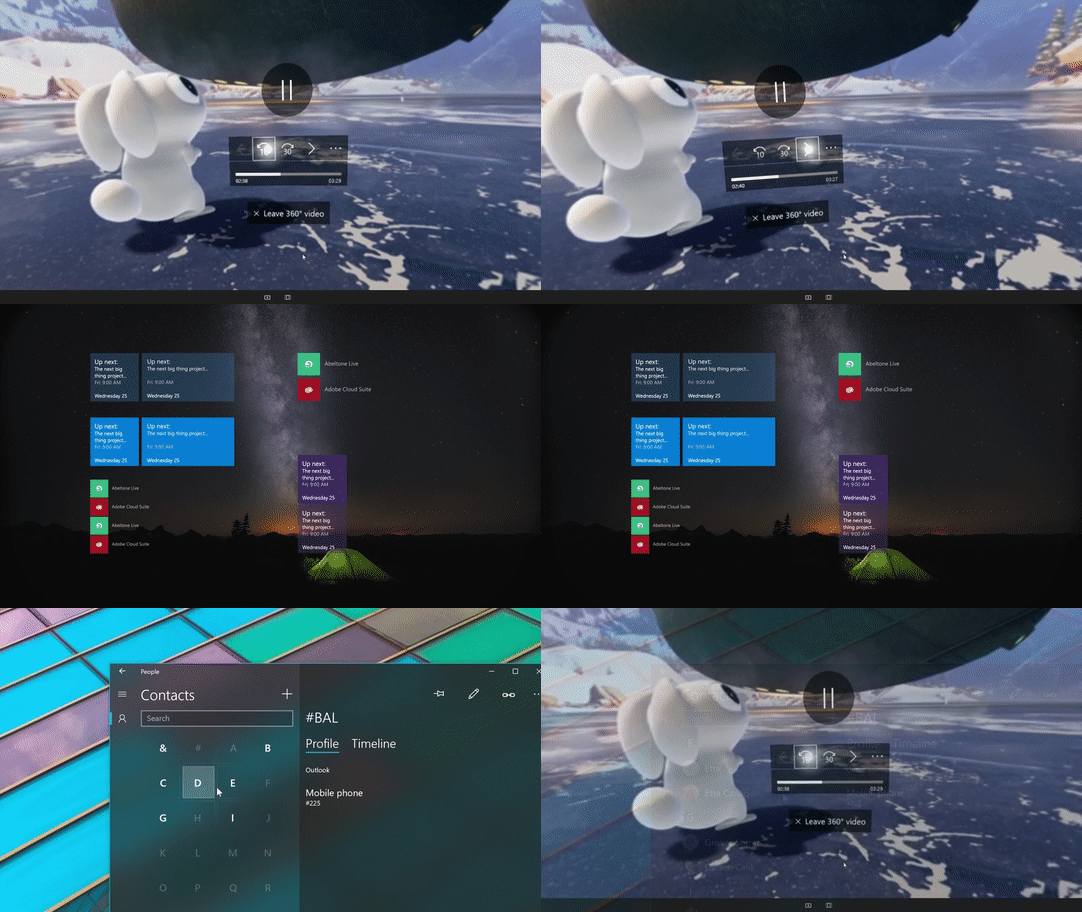
In Gallo’s view, though, what makes it stand apart from similar project is that it is meant to work well in 2D and 3D environments, something Microsoft is obviously very interested in given its investment into HoloLens and the overall “mixed reality” ecosystem. “The way we define this is that we wanted a design system that allows you to build for all devices,” Gallo said.
Microsoft is also going to use Fluent to update its pen support in the next version of Windows 10, which users will be able to use only with a pen, if they choose to do so. That means Fluent will support scrolling with the pen, writing into text fields, etc.
Disrupt 2026: The tech ecosystem, all in one room
Your next round. Your next hire. Your next breakout opportunity. Find it at TechCrunch Disrupt 2026, where 10,000+ founders, investors, and tech leaders gather for three days of 250+ tactical sessions, powerful introductions, and market-defining innovation. Register now to save up to $400.
Save up to $300 or 30% to TechCrunch Founder Summit
1,000+ founders and investors come together at TechCrunch Founder Summit 2026 for a full day focused on growth, execution, and real-world scaling. Learn from founders and investors who have shaped the industry. Connect with peers navigating similar growth stages. Walk away with tactics you can apply immediately
Offer ends March 13.
Fluent is also meant to offer support for different types of input. Metro, the design language Microsoft developed for Windows 8 (and whose name it then changed to something nobody can remember at this point), was mostly focused on touch. Fluent, on the other hand, is meant to work well everywhere — including in VR — and support touch, gaze and pen input. “Material [Design] doesn’t even come close to thinking about that world,” Gallo said.