Today might be conspicuous in the annals of autonomous vehicles for a more serious reason, but another month is over and Google has issued its self-driving car report for June. In it are some interesting details about the system’s ability to detect and avoid cyclists.
“Cyclists are fast and agile — sometimes moving as quickly as cars — but that also means that it’s hard for others to anticipate their movements,” reads the report. “Our cars recognize cyclists as unique users of the road, and are taught to drive conservatively around them.”
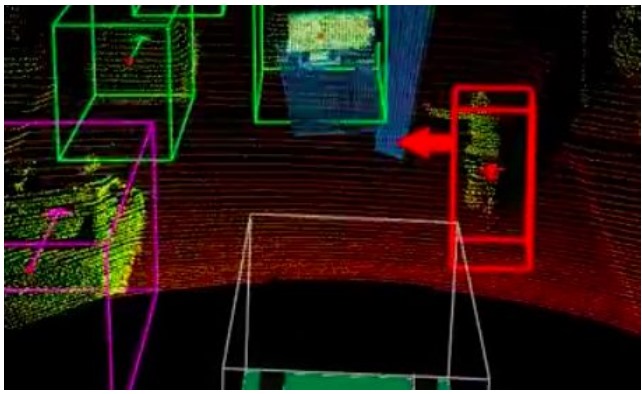
The LIDAR and other sensors on the vehicles can detect bikers in any direction, or even every direction at once, as this illustration shows.
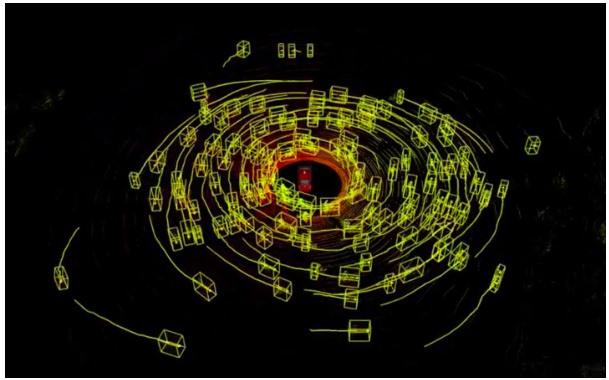
That’s somewhere over a hundred Googlers riding their bikes around a stationary self-driving car. This is what they do all day in Mountain View, apparently. Each bike was tracked individually and its likely path predicted, probably giving the car’s AI an anxiety attack.
When cyclists are detected, they’re given extra room, and the cars won’t attempt to pass if the bike is taking up the whole lane (rarely convenient for drivers, but often necessary, cyclists will surely agree).
Hand signals are also seen, understood and taken into account when predicting a cyclist’s path later on, after the signalling hand has returned to its grip.
Disrupt 2026: The tech ecosystem, all in one room
Your next round. Your next hire. Your next breakout opportunity. Find it at TechCrunch Disrupt 2026, where 10,000+ founders, investors, and tech leaders gather for three days of 250+ tactical sessions, powerful introductions, and market-defining innovation. Register now to save up to $400.
Save up to $300 or 30% to TechCrunch Founder Summit
1,000+ founders and investors come together at TechCrunch Founder Summit 2026 for a full day focused on growth, execution, and real-world scaling. Learn from founders and investors who have shaped the industry. Connect with peers navigating similar growth stages. Walk away with tactics you can apply immediately
Offer ends March 13.
Two fender-benders occurred in June, neither the Google car’s fault and neither causing more than scraped bumpers.