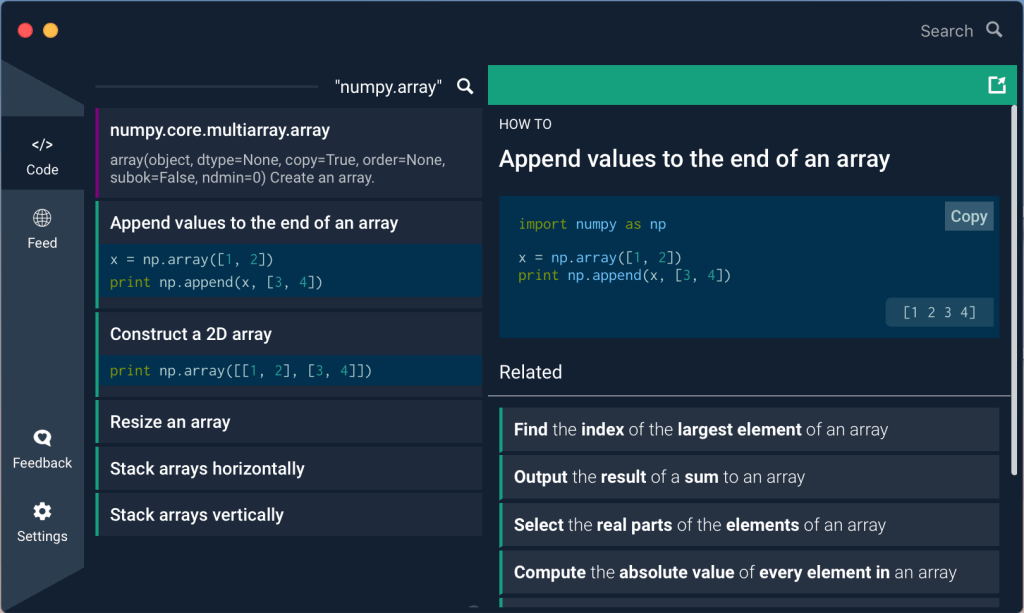
Most integrated development environments (IDEs) and text editors are full of useful features, but, for the most part, they aren’t connected to the Internet. Because of this, developers often have to switch context to Google the solution to a problem or look at a language’s manual. Kite wants to change this by connecting text editors to the Internet and pulling in data from GitHub, language manuals and other sources.
Kite co-founder and CEO Adam Smith previously founded the popular email tool Xobni in 2007 and then sold it to Yahoo in 2013 (which then shut it down in 2014). The company has already raised $4 million from a group of angel investors that includes the likes of Dropbox co-founder Drew Houston, PayPal co-founder Max Levchin, Palantir co-founder Joe Lonsdale and Twitch.tv co-founder Emmett Shear.
 As Smith told me, the idea here is to give developers a smart pair-programming buddy and to provide what is essentially a spellchecker for programmers. Kite uses type inference to show you relevant code snippets, for example, based on the information about relevant libraries and APIs the service indexed from the web.
In addition, the team is using machine learning to analyze code from GitHub to power its spellcheck — with the idea of offering more sophisticated services based on this data in the future — and it’s using this data to show you relevant examples for how others use a certain command, too.
While you’re programming, Kite sits in a second window and monitors what you are typing. A lot of what the service does is akin to a very intelligent auto-complete tool. What’s interesting here is that the team uses its GitHub data to rank options based on popularity and not just in alphabetical order.
 There is also a community aspect to all of this, because there is an option to create discussions about all of the different topics Kite surfaces.
In its current form, Kite plugs into a number of popular IDEs and editors, including Atom, Vim, Sublime Text and others. Sadly, the only language it supports for now is Python and the only platform it runs on is OS X. Support for Windows and Linux, as well as other languages, is in the works, though, and should launch later this summer. Smith tells me the team decided against building its own IDE because there are not only very complex pieces of software, but also because programmers don’t really want to switch IDEs and editors.
Disrupt 2026: The tech ecosystem, all in one room
Your next round. Your next hire. Your next breakout opportunity. Find it at TechCrunch Disrupt 2026, where 10,000+ founders, investors, and tech leaders gather for three days of 250+ tactical sessions, powerful introductions, and market-defining innovation. Register now to save up to $400.
Save up to $300 or 30% to TechCrunch Founder Summit
1,000+ founders and investors come together at TechCrunch Founder Summit 2026 for a full day focused on growth, execution, and real-world scaling. Learn from founders and investors who have shaped the industry. Connect with peers navigating similar growth stages. Walk away with tactics you can apply immediately
Offer ends March 13.
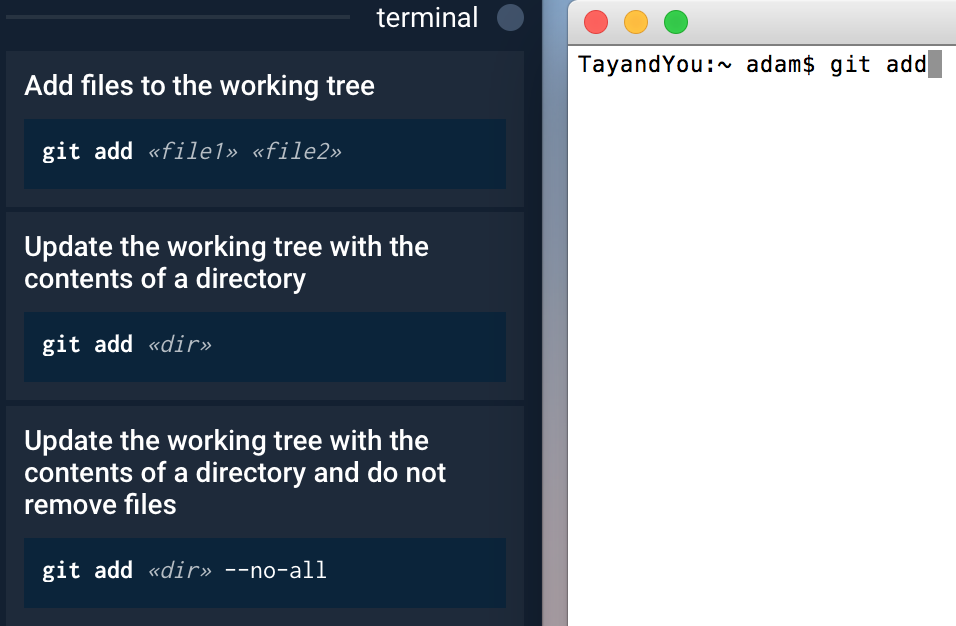
Besides text editors, Kite also looks at what you type in the terminal, too, so if you aren’t sure about some commands there, it’ll also keep a watchful eye over your git sessions, for example.
In addition, Kite also features its own plug-in API and the company is open sourcing its own plug-ins, too, so other developers should be able to integrate the service into other IDEs and text editors pretty easily.
Smith says the company is still figuring out its business model, which will likely revolve around offering tools for teams (think support for internal coding guidelines, etc.). He promises that the basic product, though, will always be available for free.